Key Takeaways
-
Standard car insurance generally does not cover routine maintenance, such as oil changes, tire rotations, fluid replacements, and scheduled inspections.
-
Collision coverage may help pay for vehicle repairs after a covered accident, while comprehensive coverage may apply to events such as theft, vandalism, hail, or falling objects.
-
Mechanical breakdowns caused by normal wear and tear, aging components, or poor maintenance are typically excluded from standard auto insurance.
-
Roadside assistance may provide towing, jump-starts, flat-tire help, and other emergency services, but it generally does not cover major mechanical repairs.
-
Regular maintenance, prompt attention to warning signs, and a dedicated repair fund can help drivers prevent costly problems and manage unexpected expenses.
-
Choosing a reliable repair facility involves comparing written estimates, checking technician qualifications, understanding parts and warranties, and keeping service records.
-
Extended warranties, vehicle service contracts, and prepaid maintenance plans may offer additional protection, but drivers should review their coverage, exclusions, limits, and costs before purchasing.
Keeping a vehicle in good condition requires regular servicing, from oil changes and tire rotations to brake inspections and fluid replacements. These expenses help prevent breakdowns, improve safety, and extend a car’s useful life. However, when maintenance bills start adding up, many drivers wonder whether their auto insurance can help cover the cost.
In most cases, standard car insurance does not pay for routine maintenance or repairs caused by normal wear and tear. Auto insurance is generally designed to protect against covered accidents, theft, and other specified risks rather than the ordinary cost of owning a vehicle. Understanding this distinction can help you avoid unexpected expenses, make informed coverage decisions, and plan for repairs before they become urgent. Knowing what your policy includes is an important part of responsible car ownership.
1. What Does Car Insurance Usually Cover?
Car insurance helps protect drivers against certain financial losses involving their vehicles and other people. The exact protection depends on the policy, coverage limits, exclusions, and applicable laws. Some policies cover damage to your own vehicle, while others primarily pay for injuries or property damage you cause to others. Although insurance can help with expensive repairs after a covered event, it generally does not replace routine maintenance or pay for every mechanical problem. Understanding the purpose of each coverage type makes it easier to recognize which expenses may qualify for a claim and which ones you should expect to pay yourself.
Liability coverage
Liability insurance generally covers certain injuries or property damage you cause to other people when you are legally responsible for an accident. It typically does not pay to repair your own vehicle or cover your regular maintenance expenses.
Collision coverage
Collision coverage generally helps pay to repair or replace your insured vehicle after a covered collision, such as hitting another car or striking an object. A deductible usually applies, and the insurer evaluates the damage under the policy terms.
Comprehensive coverage
Comprehensive coverage generally applies to certain types of damage unrelated to a collision, such as damage from theft, vandalism, hail, or falling objects. The exact covered events depend on the policy and may be subject to a deductible.
Personal injury and related protection
Depending on your location and policy, personal injury protection or medical payments coverage may help pay certain medical expenses after an accident. These benefits do not usually pay for oil changes, tire rotations, or routine mechanical servicing.
The important distinction is that insurance generally covers specified risks, not every expense associated with keeping a car operational. Always check your policy documents for the precise benefits and exclusions that apply.
2. Why Isn’t Routine Vehicle Maintenance Usually Covered?
Routine maintenance is considered a normal cost of vehicle ownership. Every vehicle needs periodic servicing as its components age, fluids deteriorate, and tires and other parts wear down. These expenses are predictable to some degree and are generally the responsibility of the owner. Standard auto insurance is structured differently: it transfers certain financial risks to an insurer in exchange for premiums. If insurers routinely paid for ordinary servicing, insurance would function more like a prepaid maintenance plan. That is why standard policies typically exclude scheduled service and deterioration resulting from everyday use.
Common maintenance expenses you usually pay for
- Oil and filter changes: Engine oil lubricates internal components and needs replacement according to the manufacturer’s recommended schedule.
- Tire rotations and balancing: These services help manage uneven tire wear and support comfortable, predictable handling.
- Brake pad replacement: Brake components gradually wear down through use and need inspection and replacement when necessary.
- Battery replacement: Car batteries lose capacity over time and eventually require replacement.
- Fluid replacement: Coolant, transmission fluid, brake fluid, and other fluids may need servicing based on the vehicle’s requirements.
- Air filter replacement: Engine and cabin filters collect debris and need periodic replacement to maintain proper performance and air quality.
- Wheel alignment: Alignment adjustments may be necessary because of ordinary changes in vehicle use, worn components, or impacts.
These expenses are generally considered maintenance rather than insured losses. However, if a covered incident causes separate damage to a vehicle component, the insurer may evaluate that damage under the policy. The cause of the problem, rather than the name of the part being repaired, is often a key factor in determining coverage.
3. When Can Insurance Help Pay for Vehicle Repairs?
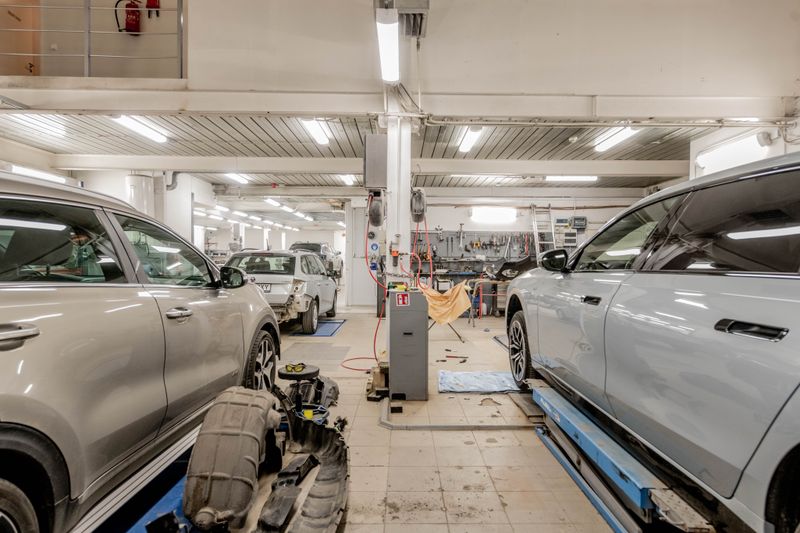
Although routine servicing is rarely covered, car insurance can help pay for certain repairs when damage results from an insured event. The distinction is especially important when a vehicle needs expensive work after an accident or unexpected incident. A damaged bumper, broken headlight, or dented door may qualify for coverage under the appropriate policy, even though ordinary maintenance on those same components would not. Before filing a claim, consider what caused the damage, which coverage applies, and whether the estimated repair cost exceeds your deductible. These details help determine whether making a claim is financially worthwhile.
Examples of repairs that may qualify
- Accident-related damage: Collision coverage may help pay for repairs after a covered crash, subject to policy terms and deductibles.
- Storm damage: Comprehensive coverage may cover damage from certain weather events, such as hail or falling branches.
- Vandalism: Damage caused by deliberate acts may qualify under comprehensive coverage.
- Vehicle theft: Comprehensive coverage may help pay for a stolen vehicle or certain damage associated with theft, depending on the circumstances.
- Damage caused by another driver: The other driver’s liability insurance may pay for your vehicle repairs if that driver is legally responsible, subject to applicable rules.
Coverage is never guaranteed simply because a repair is necessary. Insurers may investigate the circumstances, review photographs and estimates, and determine whether the damage falls within the policy’s terms. Report incidents promptly and keep relevant documentation.
4. Does Insurance Cover Mechanical Problems or Engine Failure?
Mechanical problems can be particularly expensive because they may involve the engine, transmission, cooling system, or other essential components. However, a vehicle that stops working unexpectedly is not automatically eligible for an insurance claim. Standard auto insurance generally excludes breakdowns caused by internal mechanical failure, poor maintenance, age, or ordinary wear and tear. The situation may be different when a covered incident directly causes the damage. Understanding why the component failed is therefore essential. Drivers should review the policy, preserve repair records, and obtain a professional diagnosis before assuming that insurance will pay.
Consider the cause of the failure
For example, an engine that fails because it has gradually worn out will generally not qualify for a standard insurance claim. Likewise, a transmission that develops problems through ordinary use is typically the owner’s responsibility.
However, if a covered collision damages the engine or related components, the insurer may pay for eligible repairs under collision coverage. Comprehensive coverage may also apply in certain circumstances, such as when a covered external event damages the vehicle.
Other situations require closer examination:
- Overheating: Damage resulting from a neglected cooling system is generally a maintenance issue, but coverage may depend on the underlying cause.
- Flood-related engine damage: Comprehensive coverage may apply if flooding is a covered event under the policy.
- Electrical failure: Ordinary component failure is generally excluded, while damage caused by a covered incident may be treated differently.
- Fuel system problems: Repairs resulting from wear or improper maintenance are typically not covered by standard auto insurance.
Ask the repair facility to document the suspected cause of the problem. Clear diagnostic findings can help you and your insurer determine whether the damage may qualify for coverage.
5. What About Roadside Assistance and Emergency Repairs?
A vehicle breakdown can leave drivers facing towing charges, emergency transportation costs, and an unexpected repair bill. Roadside assistance can provide useful support, but it is important to understand that assistance benefits and repair coverage are not the same thing. Depending on the plan, roadside assistance may pay for or arrange towing, battery jump-starts, flat-tire services, lockout assistance, or limited emergency fuel delivery. It generally does not pay to replace a failed engine or repair a worn transmission. Knowing which benefits you have before an emergency occurs can help you avoid unnecessary expenses and arrange appropriate help.
What roadside assistance may include
Coverage varies by insurer and plan, but common services include:
- Towing: Transporting a disabled vehicle to a repair facility, sometimes subject to distance or dollar limits.
- Battery assistance: Providing a jump-start when a battery has lost its charge.
- Flat-tire assistance: Helping install a usable spare tire when available.
- Lockout service: Assisting when the keys are locked inside the vehicle.
- Emergency fuel delivery: Bringing a limited amount of fuel, although the fuel itself may not be included.
Some insurers offer roadside assistance as an optional policy benefit, while drivers may obtain it through an automobile club, manufacturer program, or separate service provider.
Review the service limits, exclusions, and fees before relying on roadside assistance. If the vehicle needs substantial mechanical work, you will usually still be responsible for the repair costs unless another applicable warranty or protection plan covers them.
6. How Can You Protect Yourself From Unexpected Maintenance Costs?
Even when insurance does not cover routine servicing, drivers can take practical steps to make vehicle ownership more affordable. Preventive maintenance helps identify developing problems before they cause additional damage, while a dedicated repair fund makes unexpected expenses easier to manage. Choosing suitable parts, following the manufacturer’s service schedule, and keeping accurate records can also reduce uncertainty when a vehicle needs attention. These measures do not eliminate the possibility of major repairs, but they help you prepare for them. A combination of regular inspections, informed spending, and appropriate insurance coverage provides a more reliable approach to managing vehicle costs.
Build a practical maintenance plan
Start by consulting the owner’s manual for recommended service intervals. Maintenance schedules differ depending on the vehicle, driving conditions, mileage, and manufacturer guidance.
Consider these steps:
- Create a service calendar. Track oil changes, tire inspections, fluid checks, brake servicing, and other scheduled work.
- Set aside repair savings. Contribute regularly to a separate fund for maintenance and unexpected mechanical problems.
- Address warning signs early. Unusual noises, fluid leaks, warning lights, and changes in handling deserve prompt attention.
- Keep service records. Save invoices, inspection reports, and receipts to track completed work and support warranty inquiries.
- Review your insurance annually. Confirm your deductibles, limits, optional benefits, and exclusions still fit your circumstances.
It is also helpful to compare the likely cost of a repair with your deductible before filing a claim. A small repair may cost less than the deductible, making an insurance claim impractical. For larger covered losses, a claim may offer meaningful financial protection.
7. How Do You Choose a Reliable Repair Facility?
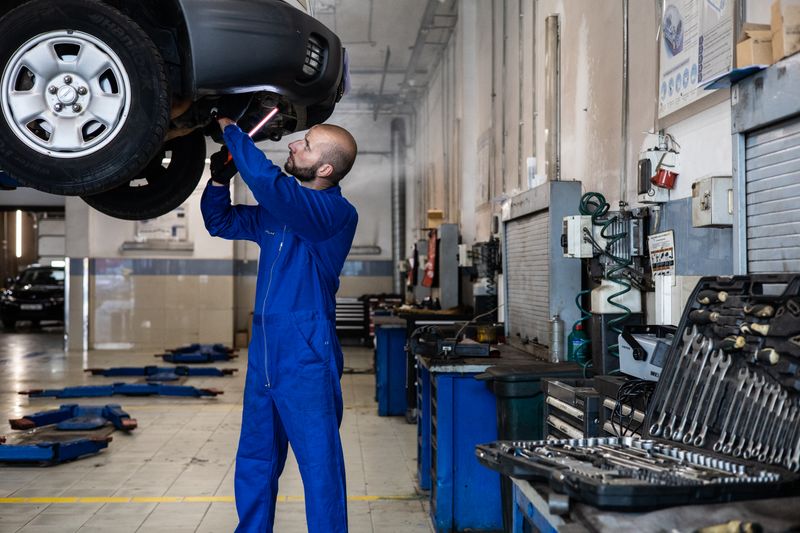
When maintenance or mechanical repairs are necessary, the quality of the repair facility matters. A reliable technician can identify problems accurately, explain the available solutions, and help you avoid unnecessary work. This becomes especially important when a vehicle may qualify for an insurance claim, because estimates and diagnostic findings can influence the assessment process. Before authorizing repairs, look for clear communication, relevant experience, transparent pricing, and written documentation. Taking time to evaluate a shop can help you make better decisions about safety, costs, and the long-term condition of your vehicle.
What should you check before approving repairs?
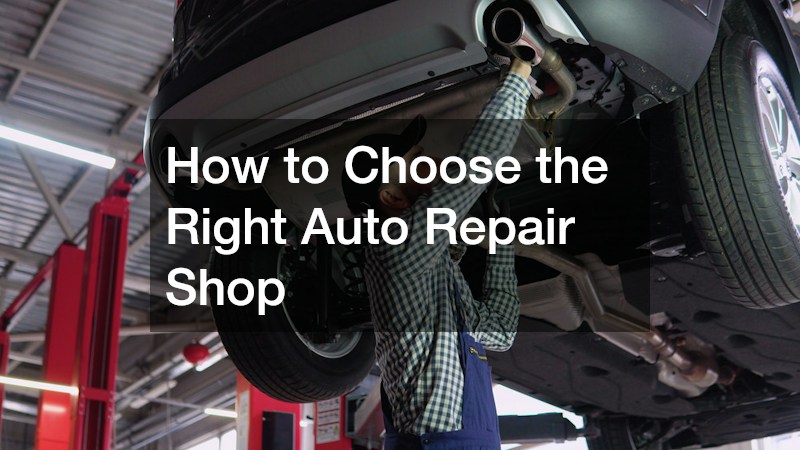
If you are researching how to choose the right auto repair shop, begin by checking the facility’s experience with your vehicle’s make and model, its reputation, and the qualifications of its technicians.
Use the following checklist:
- Request a written estimate: Ask for an itemized breakdown of labor, parts, diagnostic fees, and additional charges.
- Ask for an explanation: A trustworthy technician should be able to explain the problem and why the proposed repair is necessary.
- Compare reasonable alternatives: For substantial repairs, a second opinion may help confirm the diagnosis and estimate.
- Understand parts and warranties: Ask whether the shop uses original-equipment, aftermarket, or refurbished components and what warranty applies.
- Keep documentation: Save diagnostic reports, photographs, estimates, and final invoices, particularly when an insurance claim is involved.
If your insurer has an approved repair network, ask whether using it affects repair guarantees, payment arrangements, or other policy benefits. You may have additional options under your policy or local law.
Do not authorize major work until you understand the proposed repairs and payment responsibilities. If an insurance claim is pending, coordinate with the insurer before beginning work that may require inspection or approval.
8. Should You Consider an Extended Warranty or Maintenance Plan?
Drivers who want additional protection may consider an extended warranty, vehicle service contract, or prepaid maintenance plan. These products serve different purposes, so it is important to compare them carefully instead of assuming they provide the same benefits as car insurance. An extended warranty or service contract may cover certain mechanical or electrical failures, depending on its terms. A maintenance plan may pay for specified scheduled services. Neither automatically covers every repair, and both may include exclusions, service limits, deductibles, or conditions that must be met before benefits apply.
Compare the available options
- Standard auto insurance: Generally covers specified losses, such as eligible accident damage, rather than routine servicing.
- Extended warranty or vehicle service contract: May cover selected mechanical or electrical repairs, subject to contract conditions.
- Prepaid maintenance plan: May include defined services such as oil changes or scheduled inspections.
- Emergency repair savings: Gives you flexibility to pay for expenses that insurance, warranties, or service plans do not cover.
Before purchasing a plan, read the contract and identify exactly which parts, services, and situations are covered. Check the duration, mileage limits, exclusions for pre-existing conditions, authorized repair requirements, and cancellation terms. Compare the total cost with the services you realistically expect to use.
A plan may be worthwhile for some drivers, but paying for coverage that duplicates existing benefits can be wasteful. Review your current insurance, manufacturer warranty, and maintenance needs before making a decision.
Conclusion: Understand Your Coverage Before You Need It
Standard car insurance generally does not pay for routine maintenance, including oil changes, tire rotations, scheduled inspections, and repairs caused by normal wear and tear. Its main purpose is to protect against specified financial losses, such as eligible accident damage, theft, and certain other covered events. Roadside assistance, extended warranties, and maintenance plans may offer additional benefits, but each has its own limitations.
The best way to avoid surprises is to read your policy, maintain your vehicle according to the manufacturer’s recommendations, and budget for both scheduled servicing and unexpected repairs. When a problem occurs, establish its cause, obtain a clear estimate, and confirm coverage before authorizing work. Understanding these distinctions helps you make informed decisions, protect your finances, and keep your vehicle safe and dependable.