Every car owner starts their journey with high expectations. A vehicle represents freedom, convenience, and a significant financial investment. However, maintaining that original factory condition requires more than just filling up the gas tank or occasionally wiping down the dashboard. Commuting through busy city streets, navigating unpredictable weather conditions, and dealing with everyday road debris gradually take a toll on every system in an automobile. Over time, rubber components harden, essential fluids break down, and metal surfaces collect grime.
Understanding how to care for a vehicle across its entire lifecycle helps drivers avoid costly surprises down the road. Vehicle maintenance should never be viewed as a series of isolated panic responses to dashboard warning lights. Instead, long-term care works best when structured around a proactive strategy. Establishing a relationship with a reliable local auto service provider ensures that routine inspections happen before minor wear transforms into structural damage. From monitoring fluid levels to catching uneven tire wear, consistent attention protects both driver safety and household budgets.
When unexpected mechanical issues do arise, having a clear plan reduces stress dramatically. Knowing which technicians to trust for routine car repairs keeps minor setbacks from derailing a busy weekly schedule. Vehicle ownership requires ongoing attention, but with proper guidance, keeping a car running smoothly remains a straightforward process.
Staying Safe During Sudden Highway Emergencies

Even the most meticulously maintained vehicle can encounter sudden trouble on the open road. A stray nail on the highway can puncture a tire instantly, or an aging battery might fail without warning in a cold parking lot. In those vulnerable moments, knowing exactly what steps to take makes all the difference between a minor delay and a dangerous situation. Drivers should always prioritize safety by pulling over to a secure shoulder, turning on hazard lights, and staying inside the vehicle if traffic is moving quickly nearby.
Carrying a properly equipped emergency kit is a fundamental part of responsible vehicle ownership. Every trunk should hold jumper cables, a working flashlight, basic hand tools, a tire pressure gauge, and reflective safety triangles. However, some physical breakdowns extend beyond what a driver can handle safely on the side of a busy highway. Having active roadside assistance coverage provides invaluable peace of mind when a tire blowout or electrical failure leaves a driver stranded far from home.
In situations where a vehicle cannot be driven safely without risking further mechanical destruction, professional transport becomes necessary. Contacting a dependable towing service ensures that the automobile is moved safely to a repair facility without causing additional frame or drivetrain harm. Preparing for unexpected breakdowns allows motorists to handle stressful roadside events with composure.
The Fundamentals of Engine and Mechanical Health
Underneath the hood of modern automobiles lies a complex network of mechanical, hydraulic, and electronic components working in precise harmony. The internal combustion engine remains one of the most sophisticated assemblies in a vehicle, relying on hundreds of moving parts operating under intense heat and high pressure. Regular oil changes serve as the primary line of defense against excessive friction and thermal breakdown. Over time, engine oil gathers dirt particles and loses its chemical viscosity, which accelerates metal wear if left unchanged.
Drivers should pay close attention to subtle changes in how their vehicle behaves during daily acceleration. Unfamiliar knocking sounds, unusual vibrations, or slight hesitation when pressing the gas pedal often signal underlying mechanical stress. Partnering with a skilled auto mechanic allows vehicle owners to diagnose these subtle symptoms early through computerized diagnostic tools and manual visual checks. Catching minor sensor glitches or small fluid leaks early prevents severe mechanical damage later.
Ignoring early warning signs can quickly lead to extensive engine repair bills that exceed the value of the vehicle itself. Overheating caused by a failing coolant pump or a damaged head gasket can warp critical aluminum engine blocks within minutes. Regular fluid flushes, belt replacements, and spark plug swaps keep the heart of the vehicle operating cleanly for hundreds of thousands of miles.
Essential Braking Maintenance and Hazard Avoidance
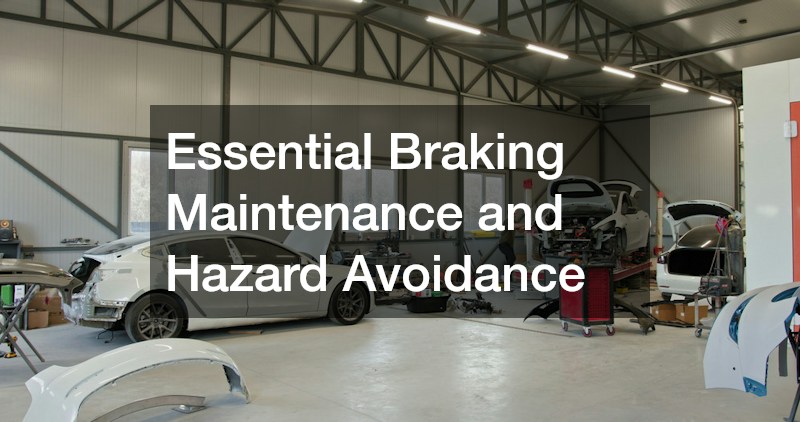
A vehicle’s stopping system is its most vital safety feature, operating under extreme friction and pressure every time the pedal is depressed. Hydraulic fluid transfers force from the driver’s foot down to calipers, which press durable pads against rotating metal rotors. Over thousands of miles of stop-and-go city traffic, the friction material on brake pads gradually wears thin. If left unchecked, the bare metal backing plate will scrape directly against the rotor, causing costly gouging and severely reduced stopping capacity.
Recognizing the warning signs of brake wear is essential for every driver. Squeal indicators are intentionally built into brake pads to produce a high-pitched metallic sound when pads need replacement. A spongy feeling in the pedal or a noticeable pull to one side during braking indicates air in hydraulic lines or uneven pad wear. Scheduling timely brake repairs preserves stopping distances and prevents damage to expensive calipers and master cylinders.
Failing to address braking issues promptly can lead to dangerous situations on high-speed roadways. A complete hydraulic failure or seized caliper can render a car undrivable in an instant, leaving the vehicle immobilized in active traffic lanes. In those moments, dispatching professional roadside assistance remains the safest way to clear the vehicle from traffic without placing the driver in harm’s way.
Exhaust Systems, Emissions, and Undercarriage Protection
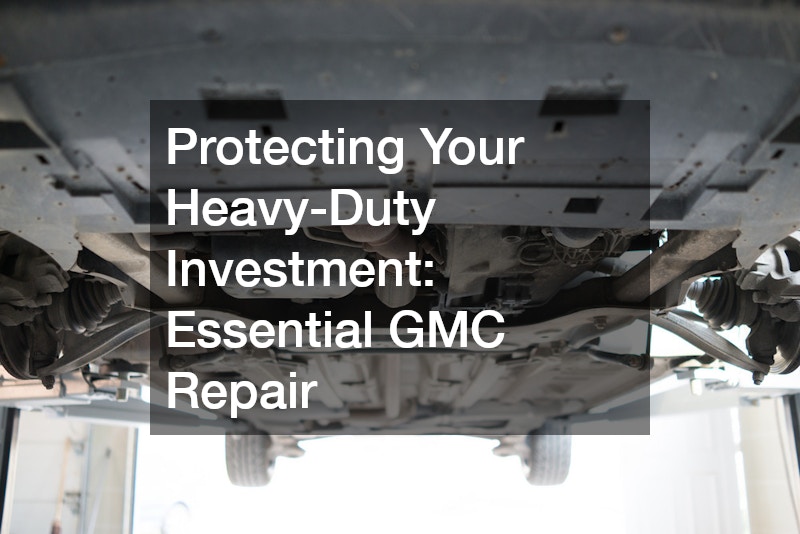
The exhaust system beneath a car does far more than reduce engine noise as spent gases exit the combustion chambers. It funnels toxic combustion gases safely away from the passenger cabin, reduces harmful atmospheric emissions through the catalytic converter, and optimizes backpressure for engine efficiency. Because exhaust components hang underneath the chassis, they face constant exposure to road salt, standing water, speed bumps, and flying debris.
Rust and physical impacts are the main causes of exhaust system damage over time. Small cracks or loose hangers can quickly transform into loud rumbling sounds, rattling metal under floorboards, or dangerous exhaust gas leaks into cabin spaces. Promptly addressing these issues with professional car muffler repair restores quiet cabin comfort, maintains proper backpressure, and ensures the vehicle satisfies environmental emissions standards. Ignoring a broken exhaust pipe can allow hot fumes to damage nearby plastic lines or wiring harnesses.
If an exhaust pipe breaks free and drags along pavement while driving, continuing down the highway is extremely hazardous. Dragging metal can spark against asphalt, posing severe fire risks or catching on road joints. When structural undercarriage damage leaves a car unsafe to drive, dispatching a specialized towing service protects the vehicle frame and exhaust plumbing from further damage while moving it to a repair bay.
Protecting Exterior Coatings and Restoring Body Finish
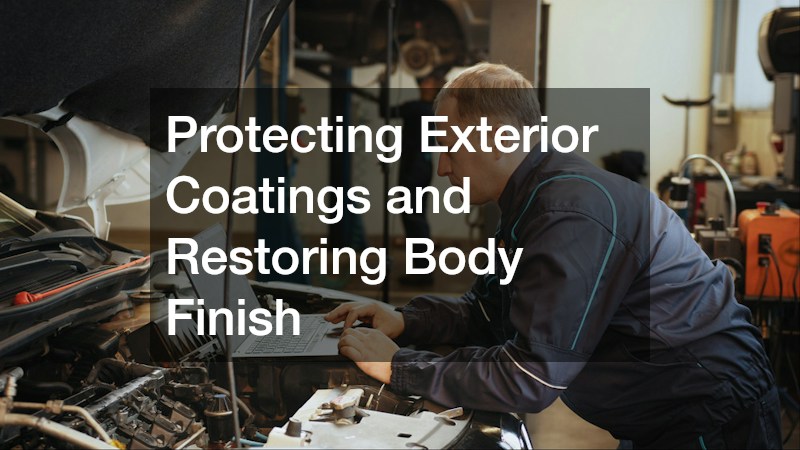
A vehicle’s exterior paint is its primary shield against environmental corrosion, oxidation, and weathering. Factory paint consists of several layers: a primer coat, a color base coat, and a protective clear coat on top. Over time, ultraviolet sun rays, bird droppings, tree sap, and road salt break down the clear coat barrier. Once clear coat oxidizes, moisture reaches the bare metal underneath, starting rust formation that spreads quietly beneath the surface.
Maintaining the visual appeal of a car involves addressing minor chips and scratches before rust takes root. Small stone chips on the hood or doors can often be touched up quickly, but widespread clear coat failure or deep body damage requires professional restoration. Visiting a qualified car paint shop allows technicians to match original factory color codes precisely, sand down damaged clear coats, and spray fresh multi-stage paint layers inside climate-controlled spray booths.
Beyond major paint work, basic exterior care should form part of every owner’s monthly routine. Washing off dirt regularly using proper microfiber towels prevents fine scratches that dull the paint’s natural luster. Consulting with a trustworthy local auto service center during routine visits provides valuable advice on protective coatings, undercarriage washes, and corrosion prevention techniques tailored to local seasonal climates.
Deep Cleaning Strategies for Ultimate Interior and Exterior Care
While periodic automated drive-through car washes offer quick convenience, they often leave behind subtle swirl marks and fail to clean hard-to-reach areas. Comprehensive cleaning goes far beyond a basic surface wash, targeting embedded cabin grime, engine bay dirt, and surface paint contaminants. Over months of daily use, leather seats collect oils, carpet fibers trap ground-in dirt, and air vents accumulate dust that degrades cabin air quality.
Investing in thorough auto detailing brings back that fresh factory feeling while protecting interior materials from premature aging. Professional detailers utilize specialized steam extractors, clay bars, and rotary polishers to deep clean surfaces safely. Clay bar treatments pull bonded iron particles and road tar out of clear coat pores, leaving paint smooth as glass before protective sealant or ceramic wax is applied to seal the finish.
If deep scratches or clear coat etching extend beyond what polishing pads can correct, body shop intervention becomes necessary. In such instances, coordinating work with an experienced car paint shop ensures that compromised panels receive professional blending, wet sanding, and paint touch-ups. Combining meticulous interior hygiene with durable exterior paint protection preserves vehicle comfort and long-term monetary value. Taking time to care for these aesthetic details ensures that every drive feels comfortable and enjoyable for years.
Creating a Structured Preventive Maintenance Routine

The secret to achieving hundreds of thousands of trouble-free miles lies in consistent preventive maintenance. Automobile manufacturers design specific service schedules outlining when fluids, filters, belts, and spark plugs should be inspected or replaced. Following these recommended intervals prevents sudden part breakdowns and keeps factory warranties active. Skipping basic service items to save money in the short term almost always results in higher repair bills down the road.
Developing an ongoing relationship with a certified auto mechanic simplifies long-term vehicle management. A dedicated technician keeps detailed service records, tracks minor component wear across multiple visits, and alerts owners when maintenance items are approaching their functional limit. This organized approach removes guesswork, allowing drivers to budget for scheduled repairs weeks or months in advance rather than dealing with unexpected breakdowns.
A comprehensive maintenance schedule covers every major vehicle system, including undercarriage components like hangers and heat shields. Catching loose mounting brackets during routine oil changes prevents the need for an emergency car muffler repair later on. By addressing minor wear items before they fail completely, vehicle owners enjoy smoother performance, improved fuel economy, and peace of mind behind the wheel. Taking these proactive steps keeps vehicles operating at peak efficiency throughout their entire lifespan.
Managing Major Mechanical Issues Without Overspending
Even with diligent maintenance, every vehicle eventually requires mechanical component replacement as mileage accumulates. Alternators wear out, water pumps leak, and suspension bushings soften after years of absorbing road impacts. When unexpected component failures occur, handling repairs strategically keeps total ownership costs manageable. Drivers should request detailed written estimates, ask technicians to explain the failure clearly, and prioritize urgent safety repairs over cosmetic issues.
Understanding the difference between routine maintenance and complex mechanical overhauls helps owners make informed decisions. Minor tasks like changing air filters or replacing wiper blades can easily be managed at home, but major car repairs involving electrical diagnostics, transmission service, or air conditioning systems demand professional equipment and specialized training. Attempting complex repairs without the correct tools often causes accidental damage to fragile sensors and wiring harnesses.
When dealing with critical drivetrain components, choosing skilled labor pays off in long-term reliability. A properly executed engine repair restores original compression, eliminates fluid leaks, and extends vehicle service life by several years. Investing in high-quality OEM or equivalent replacement parts guarantees that repairs hold up against daily driving demands, preserving the safety and market value of the automobile. Making wise repair investments ensures long-term driving confidence for every mile ahead.
Preserving Resale Value Over the Lifespan of a Vehicle
When the time comes to sell or trade in a vehicle, its overall physical and mechanical condition directly dictates its market value. Prospective buyers and dealership appraisers inspect every detail, looking for signs of past neglect or deferred maintenance. A well-maintained vehicle with complete service records commands a significantly higher price and sells much faster than a neglected counterpart with visible dents, worn brakes, or stained upholstery.
Maintaining maximum resale value requires balanced care across all areas of the vehicle. Periodically scheduling professional auto detailing prevents permanent leather cracking, eliminates cabin odors, and maintains a glossy exterior finish that makes a memorable first impression. Keeping clean floor mats, protecting dash plastics from sunlight, and washing the undercarriage regularly all contribute to preserving that original factory condition over years of ownership.
Equally important is keeping comprehensive documentation for every mechanical service performed over the years. Potential buyers gain tremendous confidence when shown receipts proving recent brake repairs, timely oil changes, and fresh fluid flushes. By combining proactive mechanical care with consistent aesthetic maintenance, drivers enjoy a safer, more reliable ride today while safeguarding their financial investment for the future. Taking these comprehensive steps ensures lasting satisfaction throughout every stage of car ownership.