Why Smarter Vehicle Care Matters
A safe, dependable vehicle does not happen by accident. It comes from regular attention, timely service, and knowing which problems should never be ignored. Many drivers wait until a warning light appears, a strange noise becomes impossible to overlook, or the vehicle stops working altogether. By then, the issue may be more expensive, more dangerous, and more inconvenient than it needed to be.
Vehicle care is not only about keeping your car running. It is about protecting your passengers, improving control on the road, reducing the risk of breakdowns, and helping your vehicle perform the way it was designed to. From stopping safely in traffic to maintaining visibility in bad weather, every system plays a role in your daily driving experience.
The good news is that you do not need to be a mechanic to make smarter decisions. By understanding which services matter most, what warning signs to watch for, and when to schedule professional help, you can avoid many common problems before they become serious. This guide explains the most important services that support vehicle safety, reliability, and performance.
Check Road Contact Before Problems Start
Your vehicle’s connection to the road depends heavily on the condition of your tires. Even if the engine, steering, and suspension are working properly, worn or poorly inflated tires can reduce traction, increase stopping distance, and make the vehicle harder to control in rain, snow, or emergency situations.
Start by checking tire pressure at least once a month. Pressure can change with temperature, driving habits, and normal air loss. Underinflated tires can cause poor fuel efficiency, uneven wear, and overheating. Overinflated tires can reduce road contact and make the ride feel harsh. Always follow the pressure recommendation listed by the vehicle manufacturer, not the maximum number printed on the tire sidewall.
Tread depth is just as important. Worn tread reduces grip, especially on wet roads. A simple tread check can help you decide whether replacement is needed. If the tread looks uneven, that may point to alignment problems, suspension wear, or improper inflation. Rotating the tires on schedule helps them wear more evenly and last longer.
Drivers should also watch for vibration, pulling, bulges, cracking, or frequent pressure loss. These signs can indicate damage or internal weakness. Taking care of tire issues early helps improve handling, braking, comfort, and overall safety.
Pay Attention When Stopping Feels Different
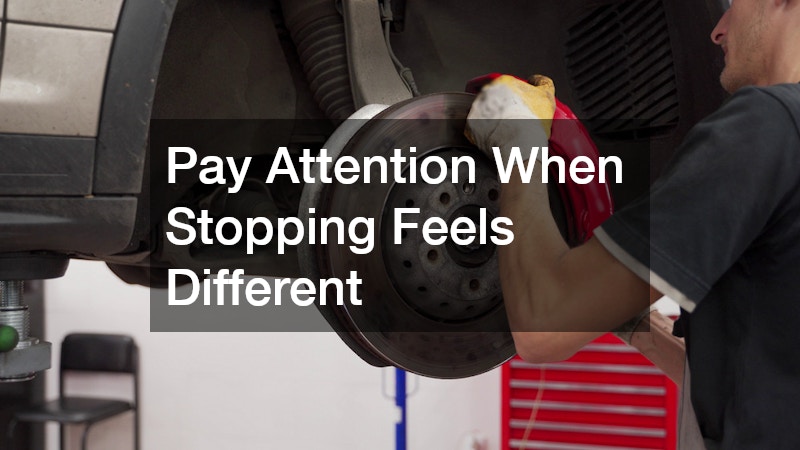
Your braking system is one of the most important safety features on your vehicle. When it works correctly, you may not think about it much. But when something changes, it should get your attention right away. Delayed braking, grinding sounds, squealing, vibration, or a soft brake pedal can all be signs that service is needed.
Professional brake repairs may involve replacing worn pads, resurfacing or replacing rotors, checking calipers, inspecting brake lines, or flushing old brake fluid. Small brake problems can become much larger if ignored. For example, worn brake pads can damage rotors, and contaminated fluid can affect hydraulic pressure.
You should also pay attention to how the vehicle behaves when braking. If it pulls to one side, shakes through the steering wheel, or takes longer to stop than usual, schedule an inspection. These symptoms may not always mean total brake failure is near, but they do mean the system is not performing as it should.
Good braking performance is especially important in heavy traffic, bad weather, mountain driving, and emergency stops. Keeping the system maintained gives you better control and more confidence behind the wheel.
Fix Small Surface Damage Before It Spreads
Small exterior damage can seem harmless, especially when the vehicle still drives normally. However, minor dents, scratches, and chipped paint can create bigger problems over time. Once paint protection is damaged, moisture can reach the metal underneath and lead to rust or corrosion.
Timely dent repair helps protect the vehicle’s appearance and long-term value. Some dents can be fixed using paintless methods when the paint is still intact. This can be a faster and less invasive option than traditional repairs. Deeper dents, sharp creases, or damage involving cracked paint may require more detailed work.
Drivers should inspect their vehicle after hailstorms, parking lot incidents, fallen branches, or minor bumps. Even small marks can worsen if they are exposed to weather, road salt, or repeated washing. Addressing them early often keeps the repair simpler.
Exterior damage is not only cosmetic. In some cases, what looks like a small dent may hide damage beneath the panel. A professional inspection can determine whether the issue is limited to the surface or connected to a deeper structural concern.
Restore Strength After Impact Damage
After an accident, appearance is only part of the repair process. A vehicle may look drivable while still having hidden damage that affects alignment, frame structure, sensors, or safety systems. That is why professional auto body repair is important after even moderate impact.
Body repair specialists look beyond visible scratches and dents. They inspect panel alignment, mounting points, bumper reinforcement, frame condition, and other areas that help the vehicle absorb impact properly. If these areas are not restored correctly, the vehicle may not protect occupants as designed in a future accident.
Quality repairs also help preserve drivability. Misaligned panels can cause wind noise, water leaks, uneven gaps, or trouble opening and closing doors, trunks, and hoods. Structural issues can also affect how the vehicle handles on the road.
Before approving repairs, ask whether the shop follows manufacturer procedures and uses proper measuring equipment. A careful repair process helps return the vehicle as close as possible to its pre-accident condition.
Protect Visibility in Every Driving Condition
Clear visibility is essential for safe driving. Cracks, chips, scratches, and damaged seals can interfere with your view and weaken the glass. Even a small chip can spread across the windshield when exposed to vibration, temperature changes, or road impact.
An auto glass service can determine whether the damage can be repaired or whether replacement is the safer option. Small chips may be repairable if they are not in the driver’s direct line of sight and have not spread too far. Larger cracks, deep damage, or glass damage near the edge often require replacement.
Modern vehicles may also have cameras and sensors connected to the windshield area. These systems can support lane assistance, collision warnings, rain sensing, and other features. When glass is replaced, calibration may be necessary to make sure these systems work correctly.
Do not wait until visibility becomes a major problem. Clear glass helps you react faster to road hazards, pedestrians, traffic changes, and bad weather.
Know When Not to Keep Driving
After a breakdown or accident, one of the most important decisions is whether the vehicle is safe to drive. Continuing to drive a damaged or malfunctioning vehicle can create more problems and increase the risk of another incident.
Towing services are especially important when the vehicle has fluid leaks, severe tire damage, steering problems, brake issues, overheating, suspension damage, or warning lights related to critical systems. Even if the vehicle starts, it may not be safe to operate.
Drivers should keep a roadside emergency plan in place. Save the number of a trusted provider, keep basic emergency supplies in the vehicle, and know your insurance or roadside assistance options. This can reduce stress when something unexpected happens.
If you are unsure whether it is safe to continue driving, it is better to stop in a secure location and request help. Avoid guessing when safety is involved.
Stay Ahead of Mechanical Problems
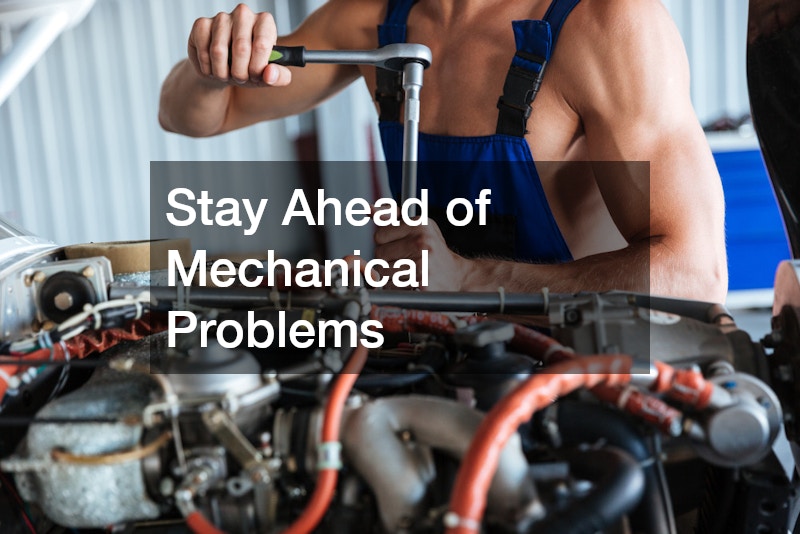
Routine maintenance is one of the best ways to prevent breakdowns and extend your vehicle’s life. Many auto repairs become more expensive because small warning signs were ignored. Strange noises, burning smells, leaks, rough starts, poor acceleration, or dashboard warning lights should be checked promptly.
Preventive care usually includes oil changes, fluid checks, belt inspections, hose inspections, filter replacements, battery testing, and engine diagnostics. These services may seem basic, but they help major systems operate smoothly.
Keeping service records is also helpful. Records allow you to track what has been completed, what is due soon, and which issues have happened repeatedly. This can help technicians diagnose problems more accurately and help you make better decisions about future repairs.
A well-maintained vehicle usually performs better, uses fuel more efficiently, and provides a more comfortable driving experience. It also reduces the chance of being surprised by a major repair at the worst possible time.
Choose Components That Support Long-Term Reliability
When parts need to be replaced, quality matters. The right auto parts can improve safety, performance, and durability, while poor-quality components may wear out quickly or cause related issues.
Ask your repair professional about the difference between original equipment, aftermarket, and used components. Each option may have benefits depending on the repair, budget, and vehicle age. Original equipment parts are designed to match the manufacturer’s specifications, while some aftermarket parts may offer strong value when sourced from reputable brands.
Avoid making decisions based only on the lowest price. A cheaper part that fails early can cost more in the long run. It may also affect how other systems perform. For example, low-quality suspension, brake, or electrical components can lead to repeat repairs or reduced safety.
A trustworthy technician should explain your options clearly, including cost, warranty coverage, expected lifespan, and performance differences. Understanding what is being installed helps you protect your investment.
Inspect Carefully After a Crash

After a collision, the repair process should begin with a detailed inspection. Visible damage rarely tells the whole story. Panels, brackets, sensors, wheels, suspension components, and internal supports may all be affected.
Collision repairs should address both cosmetic and functional concerns. A proper repair plan may include disassembly, damage mapping, parts replacement, refinishing, alignment checks, and safety system inspections. This process helps ensure that hidden problems are found before the vehicle is returned to the road.
Drivers should ask for a clear estimate and explanation of the repair steps. It is also important to understand whether additional damage may be discovered once panels are removed. This is common after an accident and does not always mean the original estimate was wrong.
Before picking up the vehicle, review the completed work. Check panel gaps, paint match, lights, doors, windows, and warning lights. A good repair should restore safety, appearance, and confidence.
Confirm Performance Before Returning to Daily Driving
Once accident-related repairs are complete, the vehicle should be checked carefully before returning to normal use. Auto collision repair is not only about making the exterior look right. It should also help restore steering, alignment, suspension, safety features, and overall performance.
Pay attention during the first few drives after repairs. The vehicle should track straight, brake smoothly, and feel stable at normal speeds. Listen for rattles, wind noise, rubbing, or unusual vibration. If anything feels off, contact the repair facility right away.
Ask whether the repair includes a warranty and keep all documentation. Repair records may be useful for insurance, resale, and future service. They also show what work was performed and which parts were replaced.
A final inspection gives you peace of mind. It helps confirm that the vehicle is safe, reliable, and ready for daily driving again.
Build Safer Habits Around Routine Care

One of the easiest ways to improve vehicle safety is to build simple habits. Walk around your vehicle regularly and look for leaks, low tire pressure, broken lights, cracked glass, and visible damage. These checks take only a few minutes but can help you catch problems early.
Pay attention to changes in how the vehicle feels. New vibrations, pulling, delayed starts, poor acceleration, unusual smells, or changes in fuel economy can all be clues. Your vehicle often gives warning signs before a major issue develops.
Follow the maintenance schedule in your owner’s manual. Manufacturer recommendations are based on mileage, time, and driving conditions. If you drive in heavy traffic, extreme heat, cold weather, dusty areas, or stop-and-go conditions, you may need service more often.
Being proactive does not mean overpaying for unnecessary work. It means staying informed, asking questions, and addressing problems before they become unsafe or expensive.
Drive With More Confidence Every Day
Vehicle safety and performance depend on many connected systems working together. Brakes, wheels, glass, body structure, mechanical components, and replacement parts all play a role in how your vehicle handles daily driving and unexpected situations.
Taking care of your vehicle early helps prevent avoidable breakdowns, improves road safety, protects resale value, and reduces stress. It also gives you more confidence every time you drive, whether you are commuting, traveling with family, or handling difficult road conditions.
The best approach is simple: inspect regularly, respond quickly to warning signs, and work with qualified professionals when service is needed. With the right care, your vehicle can stay safer, stronger, and more dependable for years to come.