Key takeaways
- Structural damage affects the frame or core body that gives a car its strength and protects passengers in a crash.
- Collisions are the most common cause, but potholes, curbs, rollovers, rust, and flooding can also weaken a car’s structure.
- Warning signs include uneven panel gaps, doors that don’t close well, pulling to one side, strange noises, and uneven tire wear.
- Damaged structures may not protect you in a future crash and can affect airbags and driver assistance sensors.
- Many repairs are safe when done by a certified shop that follows the manufacturer’s procedures and recalibrates safety systems.
- Badly damaged cars may be totaled or given salvage or rebuilt titles, which lower resale value, so keep all repair records.
- Before buying a used car, check its history and title, and always get an independent pre-purchase inspection.
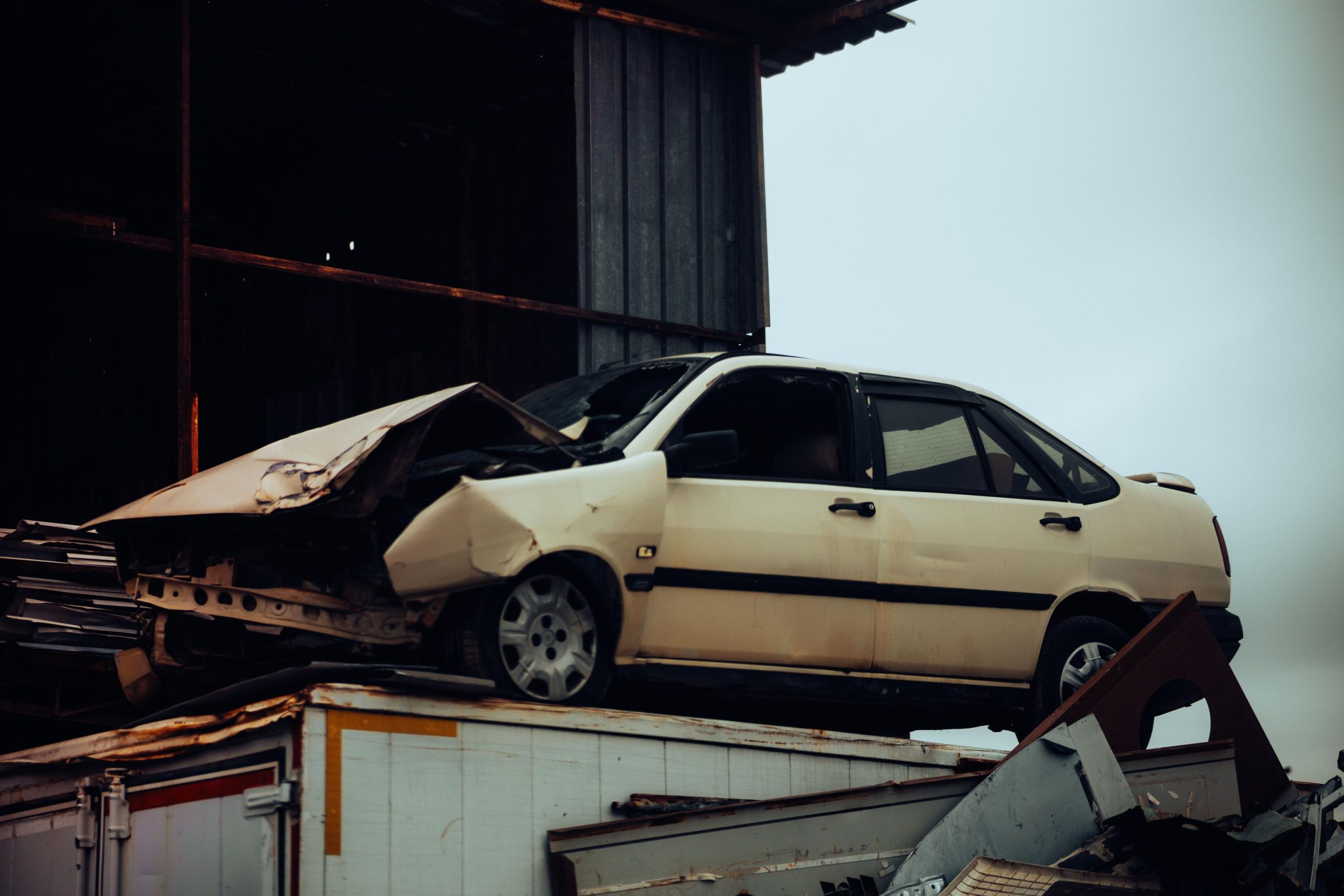
After a car accident, most people notice the obvious damage first, like a crumpled bumper, a cracked headlight, or scratched paint. But some of the most serious damage can’t be seen from the outside. Structural damage affects the car’s frame or core body structure, the parts that hold the vehicle together and protect you in a crash.
This kind of damage matters for two big reasons: safety and value. A car with structural damage that hasn’t been repaired correctly may not protect you as well in a future accident. It can also handle poorly, wear out tires faster, and be worth much less when you try to sell or trade it in.
In this guide, you’ll learn what structural damage is, what causes it, how to spot the warning signs, and what to do if you suspect your car has it. You’ll also find tips on repairs, insurance, buying a used car, and keeping your vehicle’s structure strong for years to come.
1. What Structural Damage Means
Structural damage is any damage to the parts of a car that give it strength and shape. Think of it like the skeleton of your vehicle. These parts support the engine, suspension, and passengers, and they’re designed to absorb and direct crash forces away from the people inside.
Most modern cars, SUVs, and crossovers use unibody construction. This means the body and frame are built as one connected structure. Key structural parts include the frame rails, pillars that hold up the roof, rocker panels under the doors, floor pan, roof rails, and the strong supports around the engine area. Many trucks and some larger SUVs still use body-on-frame construction, where the body sits on top of a separate, heavy steel frame. Damage to that frame is often called frame damage.
Modern vehicles also have crumple zones, areas at the front and rear designed to fold in a controlled way during a crash. This absorbs energy so less of it reaches you. After a collision, these zones may be bent even if the outside of the car looks okay. Once they’ve done their job, they need proper repair or replacement to protect you again.
- Structural damage affects the parts that give a car strength and shape.
- Most cars use unibody construction, while many trucks use a separate frame.
- Crumple zones absorb crash energy and must be restored after a collision.
2. Common Causes of Structural Damage
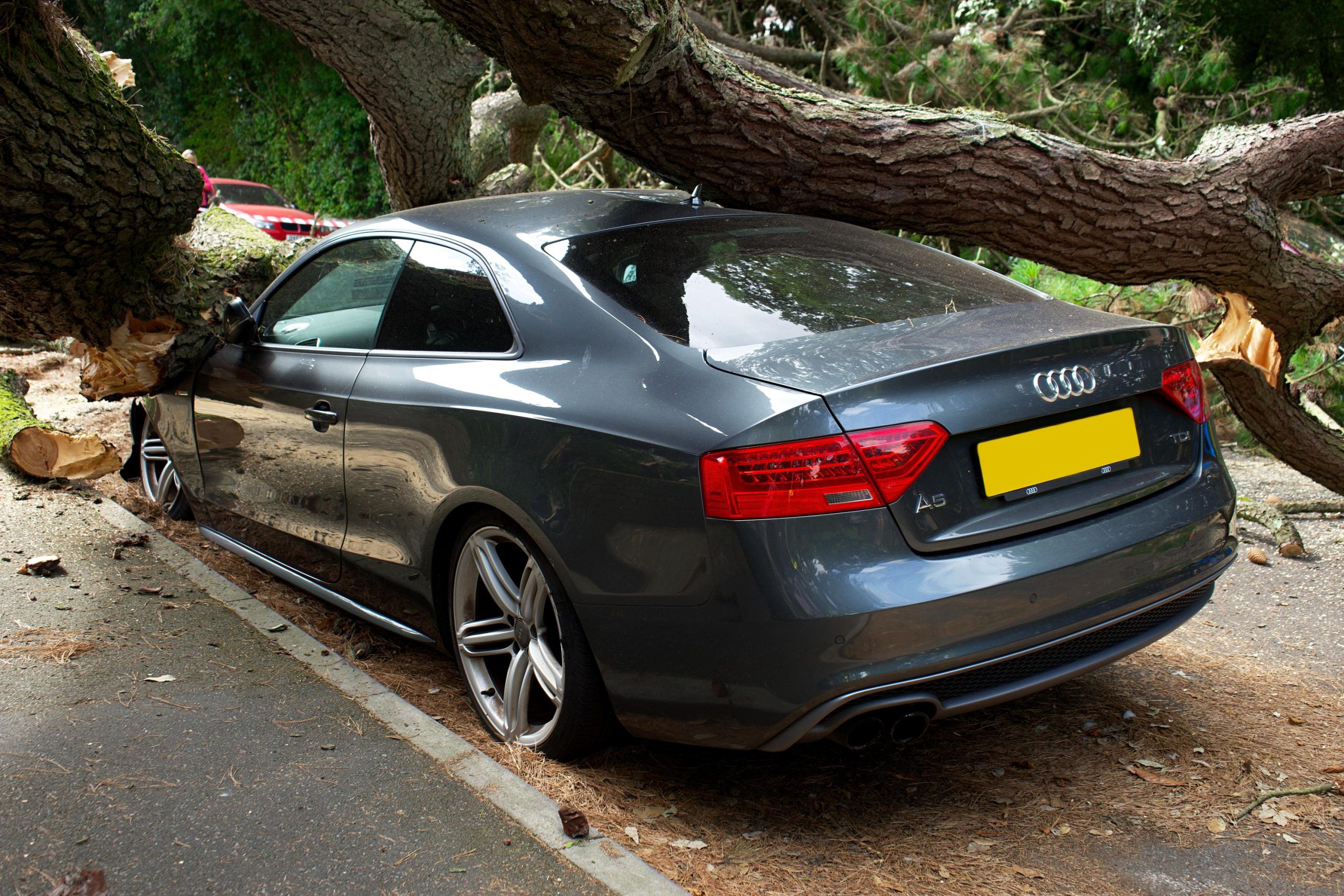
The most common cause of structural damage is a collision. Front-end and rear-end crashes can bend frame rails and crumple zones, while side impacts can damage pillars, rocker panels, and the floor. Even crashes that seem minor, like hitting another car at a moderate speed, can shift parts of the structure enough to cause problems.
But accidents aren’t the only cause. Hitting a deep pothole, curb, or large object in the road at speed can bend suspension mounts or parts of the frame. Rollovers and roof impacts, such as a tree falling on the car, can crush the roof structure. Lifting a car incorrectly with a jack or on a lift can also damage weak points underneath.
Rust is another serious threat, especially in snowy states where roads are salted or near the coast where the air is salty. Over time, rust can eat away at frame rails, floor pans, and rocker panels, weakening them from the inside out. Flood damage can speed up rust and corrosion and harm electrical systems too. Because rust often starts in hidden areas, it can become a structural problem before you notice it.
- Collisions are the most common cause of structural damage.
- Potholes, curbs, rollovers, and improper lifting can also cause damage.
- Rust and flood damage can weaken the structure over time.
3. Warning Signs to Watch For
Structural damage isn’t always obvious, but there are clues that something may be wrong. Start by looking at the outside of the car. Uneven gaps between body panels, like the hood, doors, and trunk, can be a sign that the structure underneath has shifted. Doors, the hood, or the trunk that don’t open or close smoothly, or that need to be slammed to shut, are also warning signs.
Pay attention to how the car drives. If it pulls to one side, the steering wheel is off-center when driving straight, or the car feels unstable or wobbly, the frame or suspension mounts may be bent. Uneven or unusually fast tire wear, even after an alignment, can point to a deeper structural issue that alignment alone can’t fix.
Listen and look closely, too. Creaking, squeaking, or clunking noises over bumps may mean parts aren’t lined up correctly. Look under the car for bent, kinked, cracked, or heavily rusted metal, as well as fresh welds or mismatched paint in areas that normally aren’t repaired. Inside, water leaks or wind noise can sometimes result from a door frame or roof pillar that’s out of shape.
- Look for uneven panel gaps and doors or trunks that don’t close well.
- Watch for pulling, an off-center steering wheel, and uneven tire wear.
- Check underneath for bent metal, rust, or signs of past repairs.
4. Why Structural Damage Is Dangerous
Your car’s structure is carefully engineered to protect you in a crash. Automakers design it to absorb energy in certain areas and keep the passenger space strong and intact. When that structure is damaged or poorly repaired, it may not perform the way it was designed to in another accident. That could mean more intrusion into the cabin and a higher risk of injury.
Structural damage can also affect safety systems. Airbags and seat belt tensioners rely on crash sensors mounted to the vehicle’s structure. If those mounting points are bent or the sensors are moved, airbags may not deploy at the right time. Many newer cars also have advanced driver assistance systems, like automatic emergency braking and lane-keeping assist, that use cameras and radar sensors. If the structure is out of alignment, these sensors may aim in the wrong direction and not work correctly.
Everyday driving can suffer, too. A bent frame can throw off wheel alignment, causing poor handling, uneven braking, and faster tire wear. In some cases, it can strain suspension and steering parts, leading to more repairs and higher costs over time.
- Damaged structures may not protect passengers well in a future crash.
- Bent mounts can affect airbags and driver assistance sensors.
- Structural damage can cause poor handling and faster tire wear.
5. How Shops Diagnose Structural Damage
Because much of a car’s structure is hidden, diagnosing damage takes special tools and training. If you’ve been in an accident or notice warning signs, take your car to a qualified collision repair shop or mechanic for an inspection.
The process usually begins with a visual inspection. Technicians put the car on a lift to look at the frame rails, floor pan, suspension mounts, and other structural areas for bends, cracks, kinks, or signs of past repairs. They may remove bumper covers, trim, or interior panels to get a better look.
Next, many shops use computerized measuring systems. These tools compare key points on your car’s structure to the exact measurements provided by the manufacturer. Even small differences, sometimes just a few millimeters, can show that the structure is out of shape. Technicians may also run a wheel alignment check and scan the car’s computer systems for warning codes from airbags or safety sensors. Ask for a written report and photos of any damage they find, which can be helpful for insurance claims and future reference.
- Have a qualified shop inspect your car after any significant accident.
- Technicians use lifts, visual checks, and computerized measuring systems.
- Ask for a written report and photos of any structural damage.
6. Can Structural Damage Be Repaired?
In many cases, yes. Structural damage can often be repaired safely when the work is done by a qualified shop that follows the manufacturer’s repair procedures. These procedures explain exactly how to straighten, cut, weld, or replace each part of a specific vehicle. Modern cars use advanced high-strength steels, aluminum, and special adhesives, and the wrong repair method can weaken the structure.
Repairs may include using a frame machine to pull bent areas back into the correct position, replacing damaged sections with new parts, and re-measuring the structure to confirm it matches factory specs. After the repair, the shop should recalibrate any safety sensors, like cameras and radar, and check that airbag systems are working correctly.
Choose your repair shop carefully. Look for shops with I-CAR Gold Class or similar training, and ask whether they’re certified by your car’s manufacturer. Ask if they use the automaker’s repair procedures and genuine or approved parts. Request before-and-after measurement reports. Keep in mind that if repair costs are very high compared to the car’s value, the insurance company may declare it a total loss, meaning it’s not worth fixing.
- Many structural repairs are safe when they follow the manufacturer’s procedures.
- Repairs should include re-measuring and recalibrating safety systems.
- Choose a certified shop and ask for measurement reports.
7. Insurance, Vehicle History, and Title Brands
If your car has structural damage from an accident, your insurance company will usually send an adjuster to estimate the repair cost. Depending on your policy and who was at fault, collision coverage or the other driver’s liability insurance may pay for repairs. In many states, you have the right to choose your own repair shop, even if the insurer suggests one. Make sure the estimate includes all structural repairs, sensor recalibration, and an alignment.
If repairs would cost more than a certain percentage of the car’s value, the insurer may declare it a total loss. In that case, the insurer pays you the car’s actual cash value, minus your deductible, and usually takes ownership of the vehicle. Many totaled cars receive a salvage title. If they’re later repaired and pass a state inspection, they may get a rebuilt or reconstructed title. These title brands stay with the car and usually lower its resale value significantly.
Structural damage can also show up on vehicle history reports, which can affect what buyers are willing to pay even if the repair was done well. Keep all repair records, measurement reports, and photos. These documents show that the work was done properly and can help when it’s time to sell or trade in.
- Make sure insurance estimates include structural repairs and sensor recalibration.
- Severely damaged cars may be totaled and given salvage or rebuilt titles.
- Keep repair records to show buyers the work was done correctly.
8. Avoid Buying a Used Car With Hidden Damage
When shopping for a used car, structural damage is one of the most important things to check for. A car might look shiny and clean, but hidden damage can make it less safe and harder to sell later. Taking a few extra steps before you buy can save you from a costly mistake.
Start with a vehicle history report. Use the car’s vehicle identification number, or VIN, to check reports from services like Carfax or AutoCheck. You can also search the National Motor Vehicle Title Information System, or NMVTIS, which shows title brands like salvage or flood. Keep in mind that not every accident gets reported, so a clean report doesn’t guarantee a clean car.
Next, look closely yourself. Check for uneven panel gaps, paint that doesn’t quite match, overspray on rubber seals or trim, and tool marks on bolts under the hood. Look underneath for bent metal, welds, or heavy rust. Most importantly, have a trusted independent mechanic or body shop do a pre-purchase inspection before you sign anything. It usually costs around $100 to $250 and can reveal problems you’d never spot on your own. If a seller refuses to allow an inspection, consider that a red flag.
- Run a vehicle history report and check NMVTIS for title brands.
- Look for uneven gaps, mismatched paint, and signs of past repairs.
- Always get a pre-purchase inspection from an independent mechanic.
9. Prevent Structural Damage Over Time

You can’t prevent every accident, but you can lower your risk of structural damage and keep your car’s structure strong. Safe driving is the first step. Keep a safe following distance, slow down in bad weather, and avoid distractions like texting while driving. Watch for potholes and curbs, and slow down over speed bumps and rough roads.
Rust prevention is a big part of learning how to maintain a car, especially if you live where roads are salted in winter or near the ocean. Wash your car regularly, including the underside, to remove salt, mud, and grime. Many car washes offer an underbody spray. Fix paint chips and scratches quickly so moisture can’t reach bare metal, and consider a rust-proofing or undercoating treatment if your area is especially hard on vehicles. Keep drain holes at the bottom of doors and rocker panels clear so water can escape.
Regular inspections help catch problems early. Ask your mechanic to look at the frame, suspension mounts, and underbody during oil changes or tire rotations. Get an alignment check if your car starts pulling or your tires wear unevenly. After any accident, even a minor one, have the car inspected before assuming everything is fine.
- Drive carefully and watch for potholes, curbs, and road hazards.
- Wash the underside often and fix paint chips to prevent rust.
- Have the frame and underbody checked during regular service and after any accident.
Conclusion
Structural damage affects the backbone of your car, the parts designed to keep you safe in a crash. It can come from collisions, potholes, rollovers, or slow-moving threats like rust. Because much of it is hidden, it’s important to know the warning signs, like uneven panel gaps, pulling to one side, strange noises, and uneven tire wear.
If you suspect structural damage, have your car inspected by a qualified shop that uses proper measuring tools. Many repairs can be done safely when the manufacturer’s procedures are followed and safety systems are recalibrated. Keep good records for insurance and resale, and understand how title brands like salvage and rebuilt can affect a car’s value.
When buying a used car, always check the vehicle history and get a pre-purchase inspection. And for the car you already own, safe driving, regular washing, rust prevention, and routine inspections go a long way. Taking these steps helps protect both your investment and, most importantly, the people who ride with you.