Whether you rely on a GMC Sierra to haul heavy equipment across Northern Utah or depend on an Acadia for family road trips up the canyon, your vehicle is engineered for raw power and durability. However, even the most rugged trucks and SUVs require proactive care to handle local terrain, seasonal weather shifts, and high-mileage demands. Securing qualified GMC repair in Layton is the single best step you can take to safeguard your truck’s mechanical performance, maintain its resale value, and prevent unexpected breakdowns.
Staying ahead of mechanical wear does not require professional mechanical training. By monitoring vital fluid levels, inspecting high-wear safety components, and acting on subtle performance shifts early, you can easily double your vehicle’s operating lifespan.
Prioritize Essential Fluids and Preventive Engine Upkeep
Engine oil is often called the lifeblood of your powertrain, but a complex vehicle relies on multiple fluids working in tandem to prevent severe mechanical friction and thermal breakdown. Regular fluid checks are the foundation of any reliable maintenance strategy.
- Engine Oil & Filter: Routinely check your dipstick for proper oil levels and color. Clean oil reduces component friction and cools internal engine parts. Allowing oil to break down leads to harmful sludge accumulation, decreased horsepower, and severe engine damage.
- Coolant (Antifreeze): Temperature regulation is critical, especially during hot summer climbs or freezing winter mornings. Driving with degraded or low coolant can rapidly cause cylinder head warping, blown head gaskets, or total engine failure.
- Brake and Transmission Fluids: Brake fluid maintains critical hydraulic pressure for fast stopping responses, while transmission fluid cleans and lubricates complex gear assemblies. Discolored or burnt-smelling fluids mean service is urgently required.
Beyond fluid levels, routinely replacing clogged engine air filters ensures clean oxygen reaches the combustion chambers. Restricting airflow forces the engine to work significantly harder, which quickly burns excess fuel and degrades overall responsiveness. Pairing filter replacements with fluid checks maintains peak engine health for the long haul.
Inspect Brakes, Tires, and Suspension Systems
Your vehicle’s braking assembly, tires, and suspension systems form its primary line of defense on the road. Ignoring early signs of wear in these systems compromises handling precision and risks far more expensive secondary repairs.
Tire maintenance begins with maintaining proper inflation pressures. Underinflated tires increase rolling resistance—lowering your gas mileage—and lead to uneven, premature tread wear. Checking your tire tread regularly with a simple gauge ensures you retain proper traction on rain-soaked highways or snow-covered mountain passes. Rotating your tires every 5,000 to 7,000 miles further balances wear patterns across all four positions.
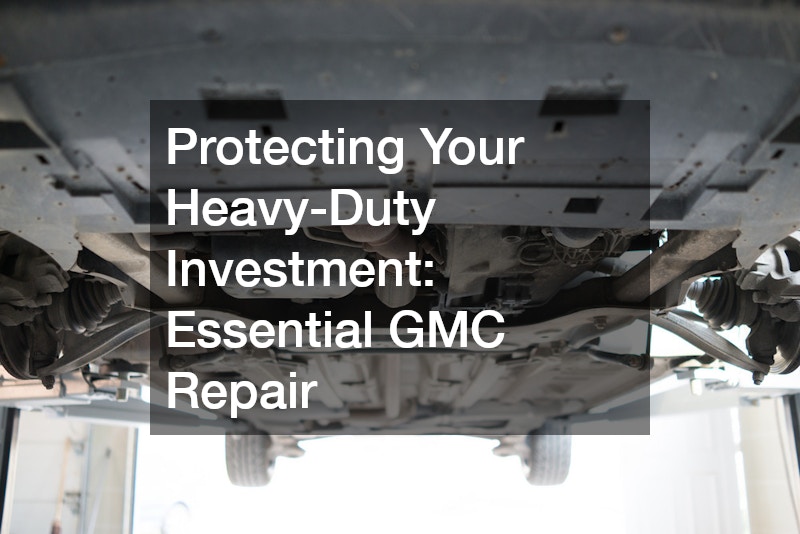
Equal care must be given to your stopping power and chassis health. Squealing noises, metallic grinding, or a spongy brake pedal indicate that your pads are worn down to their indicators. Ignoring these warning signs damages the rotors, turning a standard pad change into a major repair overhaul. Furthermore, if your vehicle sways excessively over bumps or pulls to one side while driving, have a technician inspect the shocks, struts, and wheel alignment to prevent accelerated tire destruction.
Maintain Detailed Service Records and Heed Warning Signs
Creating a disciplined tracking system for your vehicle’s maintenance history provides massive long-term benefits. Keeping a detailed service log or digital record of every oil change, tire rotation, belt replacement, and fluid flush establishes a clear roadmap for upcoming service needs. An organized service history eliminates repetitive diagnostic work, helps technicians spot emerging patterns faster, and significantly increases your vehicle’s trade-in value down the road.
Equally important is staying attuned to your vehicle’s subtle warning signals. Modern trucks and SUVs use sophisticated onboard diagnostic sensors designed to detect minor errors before they cause catastrophic failures. Never ignore an illuminated Check Engine, ABS, or oil pressure light. Subtle symptoms—such as novel chassis vibrations, unusual odors under the hood, or delayed gear engagements—are clear indicators that it is time to schedule a professional GMC repair in Layton.
Trust Local GMC Experts
Keeping your truck or SUV running smoothly is simple when you partner with knowledgeable, factory-trained service technicians who understand the exact engineering behind your vehicle. Experienced professionals utilize specialized diagnostic equipment and OEM components tailored specifically to your engine and drivetrain.
For dependable maintenance, detailed multi-point vehicle checks, and expert repairs, rely on the dedicated team at Young Buick GMC. Visit Young Buick GMC today to schedule your next GMC repair in Layton and keep your vehicle performing at its absolute best for every journey ahead.