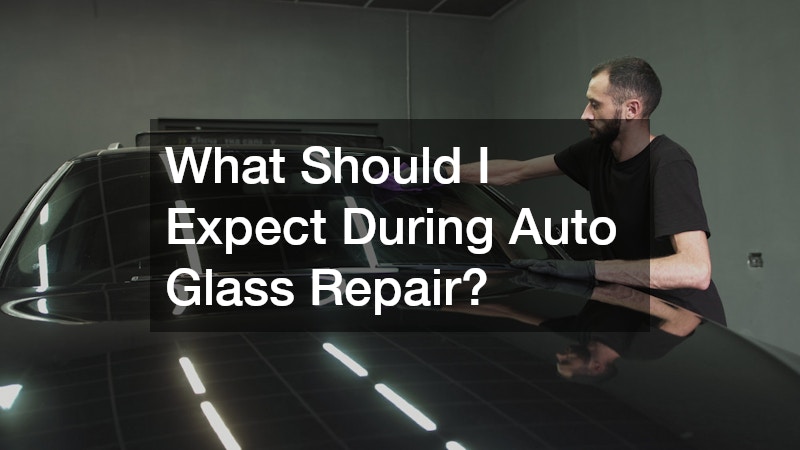
Auto glass repair is a common service needed by many vehicle owners, but the process can often seem daunting. This article aims to shed light on what to expect during this process, easing your concerns and preparing you for your next auto glass repair experience. Understanding every step, from the assessment of damage to the completion of the repair, can significantly enhance your confidence when seeking these services. This comprehensive guide will walk you through common types of damage, assessment procedures, repair techniques, post-repair considerations, and potential costs.
Ultimately, a well-informed decision-making process is crucial to maintaining the integrity and functionality of your vehicle’s glass.
What are the Common Types of Auto Glass Damage?
Auto glass damage can occur due to various factors, each necessitating specific repair approaches. The most typical types of damage include chips, cracks, and scratches, often resulting from road debris, temperature changes, or accidents. Chips are small pieces of broken glass that may remain attached to the windshield, potentially sprawling into larger cracks if not addressed. Cracks are usually more severe than chips, presenting a significant line that can compromise the entire glass structure. Scratches, albeit less severe, can hinder visibility and may later develop into cracks if exposed to stress or pressure.
Understanding the different types of auto glass damage is crucial for determining the appropriate repair method. Chips and small cracks, generally less than six inches, can often be repaired through simple, cost-effective techniques. However, more severe damage, such as long cracks or those impairing the driver’s view, typically requires complete windshield replacement. Vehicle owners should note that sidelights and back lights, although less susceptible, can also incur damage, commonly requiring replacement due to their tempered glass composition. By recognizing the damage type, you can make informed decisions that preserve both safety and vehicle value.
Environmental conditions and weather variably influence the prevalence and severity of windshield damage. Harsh climates can expand existing damage, while flying debris on highways are frequent culprits of new chips and cracks. Being vigilant and conducting regular inspections of your vehicle’s glass can prevent minor issues from escalating. Ultimately, knowing what to anticipate regarding common damage types allows you to react swiftly, either through immediate DIY measures or by seeking professional assistance. Proactive repair mitigates further complications and extends the lifetime of your auto glass.
How Do Technicians Assess the Damage?
Professional assessment is the first step in the auto glass repair process, requiring a detailed investigation of the extent and nature of the damage. Technicians employ a systematic approach that includes a visual inspection and tactile evaluation to determine the severity and location of chips, cracks, or scratches. Their expertise enables them to distinguish between damage types, ensuring that they recommend the most appropriate repair or replacement option. Furthermore, they often use specialized tools, like gauges, to measure crack length or chip depth, ensuring a precise assessment. This thorough examination is crucial in forming an effective repair strategy that ensures safety and quality.
Technicians may also consider additional factors such as the size, position, and number of damages. Damage located within the driver’s line of sight or at the edge of the windshield often necessitates replacement due to higher risks of impaired visibility or structural failure. During this phase, the nature of the vehicle’s auto glass, whether it is laminated or tempered, will also play a role in deciding the appropriate course of action. The materials used and the specific characteristics of modern windshields shape the repair approach, balancing practicality and financial implications for the owner. Nonetheless, accurate damage assessment remains a cornerstone of effective and safe auto glass repair.
The assessment process is also essential for documentation and communication purposes. Technicians will typically record the type and extent of the damage, often using photographs, to provide the vehicle owner with a clear picture of the repair needs. This documentation can be beneficial, especially when communicating with insurance providers or comparing service costs across repair shops. Transparency in the assessment process not only builds client trust but also ensures that the agreed-upon repair or replacement scope aligns with expected outcomes. Ultimately, a detailed assessment is indispensable in delivering a satisfactory and effective auto glass repair experience.
What Techniques Are Used for Repair and Replacement?
Once the damage is assessed, technicians employ various repair techniques tailored to the specific damage type. For minor chips and small cracks, a popular method involves the injection of a resin that seals and fortifies the damaged area. Using specialized equipment, technicians ensure the resin fills all cracks or chips, which is then cured and polished to restore clarity and strength. This process effectively halts further damage and restores the structural integrity of the glass. For more significant or irreparable damage, replacement of the auto glass becomes necessary, involving the careful removal of existing glass and installation of a new piece.
Replacement procedures focus heavily on precision and safety, typically requiring the removal of adhesive material and cleaning of the frame before setting the new glass. Adhesive is applied to the frame to secure the new windshield effectively, ensuring a watertight and secure fit. Special attention is given to aligning the glass correctly to prevent future issues like leaks or misfires in safety features. The use of advanced materials and techniques, compliant with vehicle standards, ensures the replaced glass matches the original in shape and function. Ultimately, these procedures underscore the importance of trained professionals in ensuring high-quality auto glass repair and replacement.
Technology has revolutionized repair and replacement, integrating innovative tools and materials that enhance efficiency and quality. For instance, the incorporation of sensor-sensitive windshield replacements aligns with advanced driver-assistance systems (ADAS) used in modern vehicles. Technicians adept in these areas possess the expertise to calibrate any involved systems post-repair or replacement, maintaining the full functionality and safety features of the vehicle. This advancement highlights the necessity of staying informed about evolving techniques and technologies in auto glass repair. The synthesis of skill, technique, and technology ensures that auto glass repair continues to meet the high standards expected in vehicle safety and performance.
What Should I Consider After the Repair?
Post-repair considerations are vital to ensuring long-term success and reliability of the auto glass repair. Once the repair or replacement is completed, it is essential to follow specific guidelines to allow the materials to set adequately. This may involve avoiding driving the vehicle for a couple of hours post-installation, allowing adhesives or resins to cure properly without interruption. Adhering to these suggestions ensures a robust and durable finish that maintains the thermoplastic bundling the glass laminates. Furthermore, it is advisable to abstain from aggressive cleaning practices that could jeopardize the stability of the recently repaired area.
Regular maintenance and inspection following repair play crucial roles in prolonging the life of auto glass. Periodic checks enable the early detection of any potential issues that could compromise the integrity of the repair work, such as leaks or misalignments. Additionally, preventive measures, including avoiding direct exposure to extreme conditions and using recommended cleaning solutions, support optimal performance and appearance of the glass. Following up with the repair service for warranty claims or scheduled inspections reinforces confidence in the continued reliability and quality of the repair. Hence, post-repair diligence is paramount in safeguarding your investment and promoting lasting results.
Understanding any warranties or guarantees associated with the repair is an additional consideration that offers peace of mind. Most reputable service providers extend warranties covering the quality of their repair work, underscoring their commitment to customer satisfaction. These warranties often stipulate conditions regarding coverage duration and scenarios under which further support is provided. Familiarizing yourself with these terms ensures you can access future redress or assistance if required. Thorough post-repair awareness facilitates sustained glass performance, supporting its role in preserving both driver and passenger safety.
What are the Costs and Insurance Involved?
The cost of auto glass repair can vary significantly based on several factors, including the extent of the damage, the type of glass required, and the labor involved. Repairs for minor chips or cracks are generally more affordable, costing considerably less than a full windshield replacement. However, intricate circumstances, such as high-end vehicle models or those with special features like rain-sensing wipers and heads-up display systems, might incur higher costs. Vehicle owners should also consider regional variations in pricing or promotions offered by repair shops that could influence total expenses. Understanding these cost dynamics and budgeting accordingly can help avoid financial strain during auto glass repair services.
Insurance policies are a significant factor in managing the financial implications of auto glass repair. Many insurance providers extend comprehensive coverage options that include auto glass repair and replacement, either partially or fully reimbursing expenses. It is advisable to carefully review your policy documents to understand specific inclusions, exclusions, and deductible amounts relevant to glass repairs. Efficient communication with insurance agents or companies, while adhering to their claims processes, can facilitate swift reimbursement or direct billing to your chosen service provider. Optimizing insurance benefits eases the financial burden of maintaining your vehicle’s auto glass integrity and function.
Customer vigilance in selecting reputable repair services is crucial to ensuring value for money in auto glass repair. Service providers should be assessed not only on their technical capabilities but also on their pricing transparency, service guarantees, and customer support. Avoiding hidden charges and understanding the scope of services provided in the quoted price are vital steps toward informed decision-making. Comparing multiple service providers elevates your likelihood of receiving a fair deal that balances quality and cost. Ultimately, judicious management of costs and insurance ensures seamless auto glass repair proceedings, reinforcing safety and peace of mind on the road.
Understanding what to expect during an auto glass repair can help alleviate stress and ensure a smoother process. By being informed about the types of damage, repair techniques, post-repair considerations, and potential costs, you can make educated decisions that best suit your needs and maintain the longevity of your vehicle’s glass. Comprehensive awareness of these elements helps you properly coordinate repairs, foster effective communication with service providers, and use insurance benefits to your advantage. This understanding is key to optimizing repair outcomes and preventing further damage or financial strain. Ultimately, knowledgeable and proactive responses to auto glass issues support your safety and enhance your vehicle’s performance.