A car accident can be a shocking and overwhelming experience. Even a relatively minor collision can leave drivers feeling confused about what to do next. Beyond the immediate concerns about safety and vehicle damage, many people are unsure about the steps they should take to protect their health, finances, and vehicle. Knowing what to expect after an accident can help reduce stress and make the recovery process more manageable.
After the initial incident, drivers often need to deal with several different professionals and services. Medical providers, vehicle repair specialists, insurance companies, and legal professionals may all play a role in helping individuals move forward. Understanding how these different services work together can help drivers make informed decisions during a challenging time.
This guide explores the typical steps that occur after a vehicle collision. From addressing immediate safety concerns to handling repairs and maintaining the vehicle afterward, understanding the process can help drivers regain control of the situation and ensure their vehicle and well-being are properly cared for.
Immediate Safety Steps After an Accident

Prioritizing Personal Safety
Immediately after a collision, the most important priority is safety. Drivers and passengers should check themselves and others for injuries before doing anything else. If the accident occurred in a busy roadway, moving vehicles to a safe location when possible can reduce the risk of further incidents. Activating hazard lights and placing warning triangles can help alert other drivers.
Contacting Emergency Assistance
Even when injuries appear minor, it is often wise to contact emergency responders. Medical personnel and law enforcement officers can help assess the situation and ensure everyone receives appropriate care. Individuals who require treatment may later work with an auto accident medical service that specializes in evaluating and documenting injuries related to vehicle collisions.
Documenting the Scene
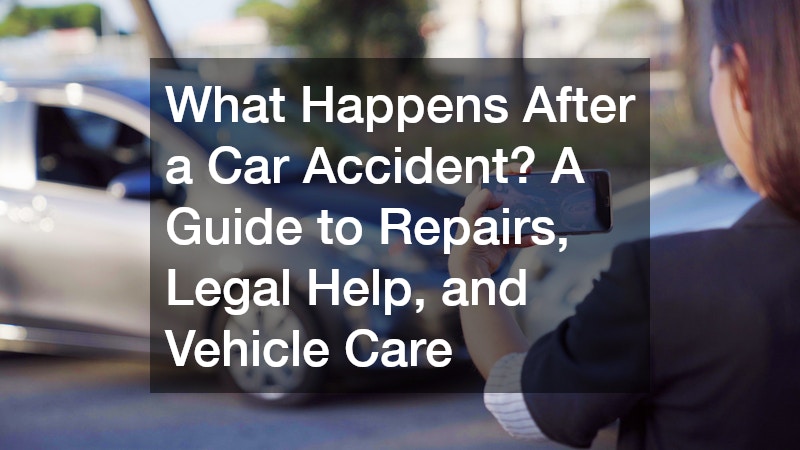
Accurate documentation can be helpful later when dealing with insurance claims or vehicle repairs. Drivers should take photos of the vehicles, license plates, road conditions, and any visible damage. Collecting contact and insurance information from all involved parties is also important. Witness statements can provide additional clarity about how the accident occurred.
Understanding When Legal Guidance May Help
In certain situations, especially those involving injuries or significant damage, drivers may choose to consult a car accident attorney. Legal professionals who focus on vehicle collision cases can help explain rights and responsibilities, particularly when determining fault or negotiating with insurance companies.
Getting Your Vehicle Safely Off the Road
Assessing Whether the Vehicle Can Be Driven
After the initial shock of an accident fades, drivers must determine whether their vehicle is still safe to operate. Even if the car appears functional, hidden damage may affect steering, braking, or structural stability. Attempting to drive a compromised vehicle can pose additional safety risks.
When Professional Transport Is Necessary
If the vehicle cannot be safely driven, professional towing services may be required. These services transport damaged vehicles from the accident scene to a repair facility or storage location. Tow operators are trained to handle vehicles with varying levels of damage safely and can help prevent further mechanical issues during transport.
Understanding the Towing Process
Most towing providers follow specific procedures to ensure vehicles are moved safely. Drivers may be asked where they would like the vehicle taken, such as a repair facility, dealership, or their home. Keeping documentation of towing receipts can be useful when filing insurance claims.
Preparing the Vehicle for Transport
Before the vehicle is loaded onto a tow truck, drivers should remove personal belongings if possible. It is also helpful to photograph the vehicle again before transport to document its condition. Once the vehicle reaches its destination, repair professionals can begin evaluating the damage.
Evaluating Damage and Choosing a Repair Facility
Understanding the Inspection Process
After a vehicle arrives at a repair location, technicians typically perform a detailed inspection. This evaluation identifies both visible and hidden damage that may affect the vehicle’s safety and performance. Structural components, suspension systems, and electronic systems may all be examined during this process.
The Role of Professional Repair Facilities
Many drivers rely on established auto shops to diagnose and repair accident damage. These facilities often have specialized equipment designed to restore vehicles after collisions. Experienced technicians can identify issues that may not be immediately visible to the untrained eye.
Comparing Repair Options
In some cases, drivers may receive estimates from multiple repair providers. Comparing these estimates can help determine which facility offers the most comprehensive repair plan. Insurance companies may also have preferred repair networks, though drivers typically retain the right to choose where their vehicle is repaired.
Communicating With Insurance Providers
During the repair process, insurance adjusters may inspect the vehicle and review repair estimates. Maintaining clear communication between the repair facility and the insurance company can help ensure the claim is processed efficiently.
Addressing Exterior Damage and Cosmetic Repairs
Evaluating Body Damage
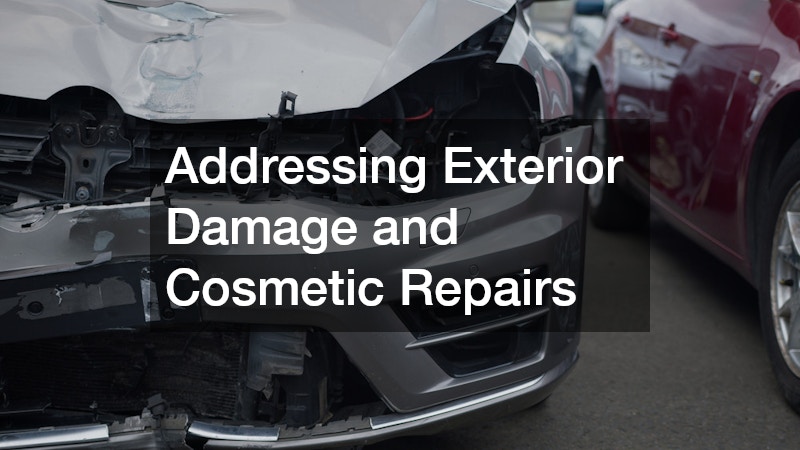
Even minor collisions can result in visible body damage. Scratches, dents, and misaligned panels can affect both the appearance and resale value of a vehicle. While cosmetic damage may seem less urgent than mechanical issues, addressing it can help preserve the vehicle’s long-term condition.
Restoring Vehicle Panels
Repair specialists often perform dent repair to restore damaged body panels. Using specialized tools, technicians can reshape metal surfaces and eliminate imperfections caused by collisions or impacts. In some situations, paintless dent removal techniques allow repairs without repainting.
Repairing Cracked or Broken Windows
Vehicle windows and windshields can easily crack during accidents. Damaged glass can impair visibility and compromise safety. Professional auto glass repair services can replace or repair windshields and windows, ensuring the vehicle meets safety standards before returning to the road.
Protecting the Vehicle’s Structural Integrity
Modern vehicles rely on carefully designed structures to absorb and distribute crash forces. Repair professionals evaluate whether the vehicle frame or body structure has been affected. Proper restoration ensures that safety systems continue functioning as intended.
Inspecting Critical Mechanical Systems
Why Mechanical Inspections Are Essential
Even when exterior damage appears minimal, accidents can affect important mechanical systems. Steering components, suspension parts, and braking systems may experience hidden stress during a collision. Comprehensive inspections help identify potential issues before they become safety hazards.
Evaluating the Braking System
One of the most important systems to inspect after a collision is the braking system. Technicians may perform auto brake repair if they identify damaged components or misalignment. Brake pads, rotors, and hydraulic lines must function properly to ensure reliable stopping power.
Routine Brake Maintenance After Repairs
In addition to collision-related repairs, mechanics may recommend routine brake service to restore optimal performance. This service may involve replacing worn components, adjusting braking systems, and ensuring fluid levels are correct.
Ensuring Long-Term Safety
Proper mechanical inspections can help prevent future issues that may arise from accident-related stress on vehicle components. Once repairs are complete, technicians typically perform test drives and safety checks to confirm the vehicle operates correctly before returning it to the owner.
Replacing Damaged Parts and Components
Understanding the Role of Replacement Parts
Vehicle collisions often damage components that cannot be repaired and must be replaced entirely. During the repair process, technicians identify parts that no longer meet safety standards or cannot function properly after impact. Replacing these components ensures the vehicle returns to a safe and reliable operating condition. Repair professionals carefully evaluate both mechanical and structural parts before determining the best solution.
Considering Alternative Replacement Options
Many repair facilities may offer the option of using aftermarket auto parts when replacing damaged components. These parts are manufactured by third-party companies rather than the original vehicle manufacturer. In some situations, these alternatives can provide comparable performance while helping reduce repair costs. Drivers should discuss the benefits and potential differences with their repair technician before making a decision.
Working With Insurance Adjusters
Insurance companies often review repair estimates and determine whether replacement parts will be original equipment or alternative options. Clear communication between the repair facility, the insurance adjuster, and the vehicle owner helps ensure everyone understands the scope of the repairs. Keeping records of approved parts and repair details can also be helpful for future maintenance.
Ensuring Quality Installation
Regardless of which parts are selected, proper installation is critical. Skilled technicians follow manufacturer guidelines and safety procedures when installing replacement components. This ensures the vehicle performs correctly and maintains the structural integrity needed to protect occupants in the future.
Checking Wheel Alignment and Tire Condition
Understanding the Impact on Tires
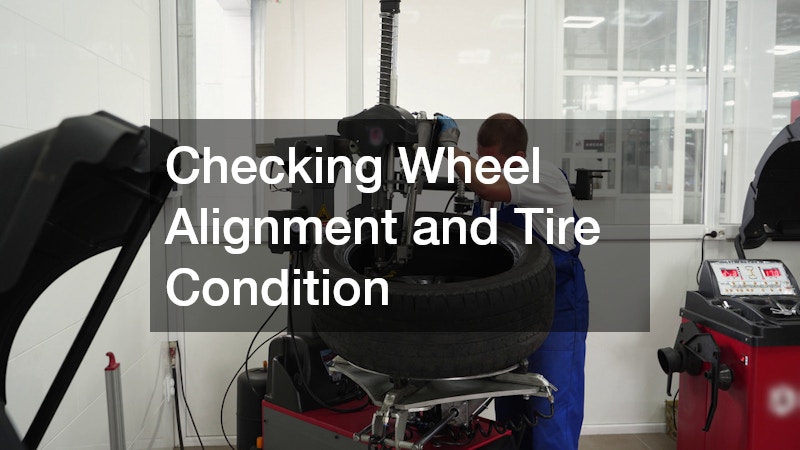
A collision can place unexpected stress on the wheels and suspension system. Even if the damage is not immediately visible, the alignment of the wheels may be affected. Misaligned wheels can lead to uneven tire wear, reduced fuel efficiency, and compromised handling. Repair technicians often inspect tires carefully after an accident to ensure they remain safe for continued use.
Identifying Signs of Tire Damage
Drivers should be aware of warning signs that indicate tire damage following a collision. These signs may include vibrations while driving, pulling to one side, or unusual noises coming from the wheels. If any of these symptoms appear, visiting a professional tire shop for a thorough inspection can help identify underlying problems.
Maintaining Proper Tire Health
Repair professionals may recommend replacing damaged tires or performing wheel balancing and alignment services. Ensuring that tires maintain the correct pressure and tread depth is essential for safe driving. After a collision, routine tire maintenance becomes especially important to restore proper vehicle performance.
Supporting Long-Term Vehicle Performance
Healthy tires and proper wheel alignment contribute significantly to overall driving safety. Regular inspections and maintenance help extend the lifespan of the tires while improving vehicle handling and fuel efficiency.
Understanding the Medical Recovery Process
Monitoring Symptoms After the Accident
Not all injuries are immediately noticeable after a collision. Some symptoms may appear hours or even days later due to adrenaline or shock. Drivers and passengers need to monitor how they feel in the days following an accident and seek medical evaluation if any discomfort arises.
Receiving Professional Evaluation
Healthcare providers may recommend follow-up appointments to assess injuries and monitor recovery. Specialized providers offering auto accident medical service often focus on evaluating injuries commonly associated with vehicle collisions, such as whiplash, soft tissue damage, or back pain. Proper medical documentation can also be helpful if insurance claims or legal matters arise later.
Following Recommended Treatment Plans
Medical professionals may suggest physical therapy, medication, or additional diagnostic tests depending on the severity of injuries. Following the recommended treatment plan is important for recovery and helps prevent long-term complications. Consistent care ensures that minor injuries do not develop into chronic conditions.
Keeping Detailed Medical Records
Maintaining copies of medical records, treatment plans, and appointment summaries can help keep track of progress. These documents may also be useful if individuals need to provide evidence of treatment when communicating with insurance providers or legal representatives.
Navigating Insurance and Legal Considerations
Communicating With Insurance Providers
After a collision, drivers typically file a claim with their insurance company to report the incident and begin the repair process. Providing accurate information about the accident, including photos and documentation, helps insurers evaluate the claim efficiently. Insurance representatives may guide policyholders through the next steps required to process repairs or medical coverage.
Determining Liability and Coverage
Insurance companies often conduct investigations to determine who was responsible for the accident. This process may involve reviewing police reports, witness statements, and damage assessments. Understanding policy coverage limits and deductibles can help drivers prepare for any out-of-pocket expenses.
When Legal Guidance May Be Beneficial
In situations involving complex liability disputes or serious injuries, individuals may seek guidance from a car accident attorney. Legal professionals who focus on vehicle collision cases can help explain rights, assist with negotiations, and ensure claims are handled fairly. Their experience can provide valuable support when navigating complicated legal or insurance processes.
Maintaining Organized Documentation
Keeping records of accident reports, medical bills, repair estimates, and communication with insurance companies can simplify the claims process. Organized documentation allows drivers to respond quickly to requests for information and helps prevent delays in resolving claims.
Maintaining Your Vehicle After Repairs
Performing a Post-Repair Inspection
Once the vehicle has been repaired, it is important to review the work carefully before returning to normal driving routines. Drivers should check that body panels are properly aligned, paint finishes match, and mechanical systems function correctly. If any concerns arise, contacting the repair facility promptly can help address potential issues.
Scheduling Routine Maintenance
After a collision repair, technicians may recommend additional maintenance checks in the months that follow. Systems that experienced stress during the accident may require further adjustments or inspections. Regular maintenance appointments can help ensure the vehicle remains safe and reliable.
Monitoring Vehicle Performance
Drivers should pay attention to how the vehicle handles after repairs. Any unusual sounds, vibrations, or changes in braking or steering performance should be addressed quickly. Early detection of problems allows technicians to resolve issues before they become more serious.
Continuing Safe Driving Practices
Maintaining a vehicle after repairs also involves adopting safe driving habits. Staying aware of road conditions, practicing defensive driving, and keeping up with routine maintenance all contribute to a safer driving experience moving forward.
Recovering from a vehicle collision involves much more than repairing visible damage. The process often includes addressing medical concerns, coordinating repairs, communicating with insurance providers, and ensuring the vehicle remains safe to drive. Understanding the steps involved can help drivers approach the situation with greater confidence and clarity.
By taking the time to work with qualified professionals and following recommended procedures, individuals can restore their vehicles and protect their well-being after an accident. Careful attention to repairs, recovery, and maintenance ensures that both drivers and their vehicles can safely return to the road.