Visiting a Subaru service center for the first time can feel unfamiliar if you’ve never been through a dealership maintenance process before. However, Subaru owners quickly discover that these service departments are designed to focus on long-term vehicle reliability, preventative maintenance, and factory-trained expertise.
Whether you drive a Subaru Outback, Crosstrek, Forester, or WRX, understanding what happens during a typical service appointment helps you feel more confident about maintaining your vehicle properly.
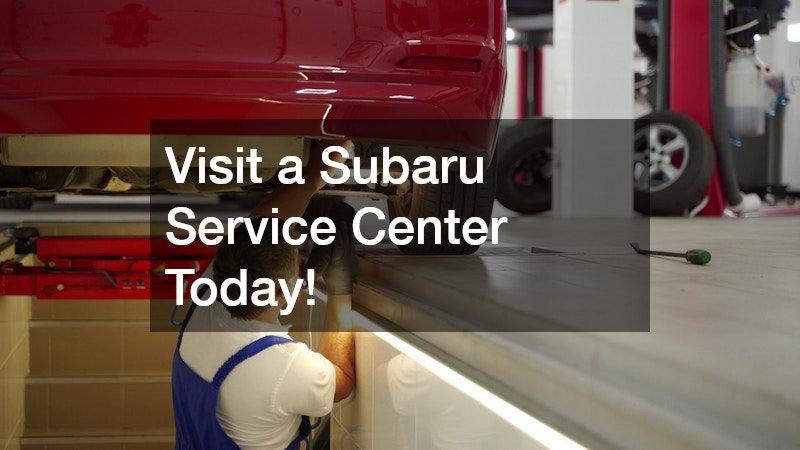
One of the first things you can expect at a Subaru service center is a detailed vehicle inspection process. Most Subaru dealerships perform a multi-point inspection during routine visits to identify wear, fluid conditions, tire health, brake performance, and potential future maintenance concerns. Subaru’s service model focuses heavily on preventative care because staying ahead of problems can significantly extend the life of the vehicle. Routine inspections often include oil condition, battery health, suspension checks, tire tread depth, brake wear, and fluid levels.
Routine maintenance is another major part of the dealership experience. Subaru generally recommends service intervals around every 6,000 miles or six months depending on the model and driving conditions. Common services include oil changes, tire rotations, filter replacements, brake inspections, and fluid checks. Larger maintenance milestones often occur at 30,000 and 60,000 miles, where additional inspections and component servicing are performed.
Many drivers choose a Subaru service center because Subaru-certified technicians receive specialized factory training. These technicians work specifically on Subaru vehicles and are familiar with systems like the SUBARU BOXER engine, Symmetrical All-Wheel Drive, and Subaru’s newer driver-assistance technologies. Specialized training and diagnostic equipment can be especially important when dealing with warranty repairs, software updates, or more advanced mechanical issues.
Another thing many customers notice is the emphasis on manufacturer-recommended maintenance schedules. Subaru dealerships typically follow official factory guidelines found in the warranty and maintenance booklet. These schedules help ensure vehicles receive proper service at the correct intervals to support reliability and warranty protection. Services often include oil and filter changes, tire rotations, brake inspections, cooling system checks, and drivetrain inspections.
Modern Subaru vehicles also require increasing amounts of software support and electronic diagnostics. Newer models feature advanced safety systems like EyeSight Driver Assist Technology, lane-centering systems, adaptive cruise control, and touchscreen infotainment platforms. At a Subaru service center, technicians can install software updates, recalibrate safety systems, and diagnose electronic issues using Subaru-specific equipment that many independent shops may not have access to.
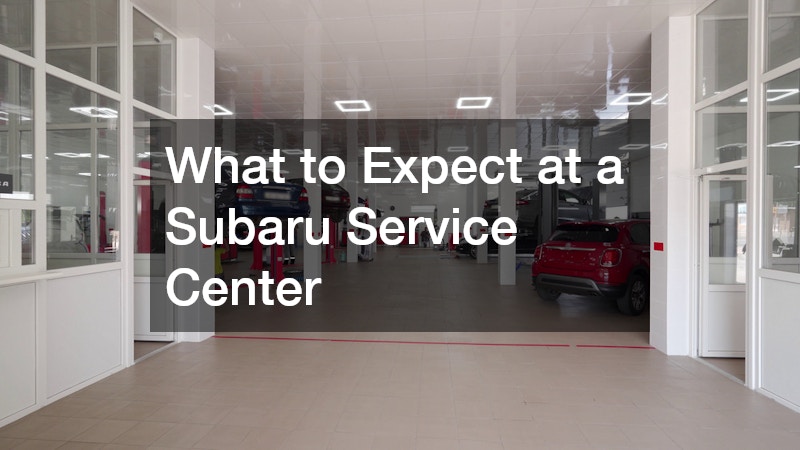
Another common experience at Subaru dealerships is the availability of express maintenance services. Many locations now offer no-appointment-needed options for quicker maintenance visits such as oil changes, tire rotations, battery checks, and multi-point inspections. This helps drivers complete routine service more efficiently without needing to leave their vehicle for an entire day.
Of course, dealership service experiences can vary depending on location. Some Subaru owners appreciate the consistency and factory expertise dealerships provide, while others prefer independent mechanics for certain routine maintenance tasks once the warranty period ends. Online Subaru owner discussions often mention that basic services like oil changes and tire rotations can sometimes be completed elsewhere, but dealership service is often preferred for warranty repairs, recalls, diagnostics, and Subaru-specific systems.
Cost is another factor drivers frequently consider. Dealership service pricing may sometimes be higher than independent repair shops, especially for major maintenance intervals. However, many Subaru owners value the detailed inspections, factory parts, and specialized knowledge that come with dealership servicing. Some dealerships also offer maintenance plans, coupons, and service packages that help reduce long-term ownership costs.
Ultimately, a Subaru service center is designed to help owners keep their vehicles reliable, safe, and performing properly for years to come. From routine oil changes to advanced diagnostics and warranty repairs, these service departments focus on maintaining Subaru’s reputation for longevity and all-weather capability.
If your Subaru is due for maintenance or you simply want expert guidance about your vehicle’s condition, schedule an appointment with a trusted Subaru service center today. A certified service team can help you stay ahead of repairs, protect your investment, and keep your Subaru ready for every road ahead.