A Practical Guide to Protecting Your Vehicle After Damage
Car damage can happen in many ways. A shopping cart may leave a dent in the parking lot. A rock may chip the glass on the highway. A pothole may cause an unusual noise underneath the vehicle. Even a minor collision can create problems that are not immediately visible. When something happens to your car, knowing what to do next can help you stay safe, avoid unnecessary costs, and protect the long-term value of your vehicle.
Many drivers feel overwhelmed after noticing damage because they are not sure whether the issue is cosmetic, mechanical, urgent, or safe to ignore for a short time. The best approach is to slow down, inspect the situation carefully, document what happened, and choose the right repair path based on the type of damage. Some issues can be scheduled at your convenience, while others need immediate attention before the vehicle is driven again.
This guide explains how to handle the most common types of vehicle damage, what warning signs to watch for, and how to make smart repair decisions without feeling rushed.
Start With a Careful Damage Check
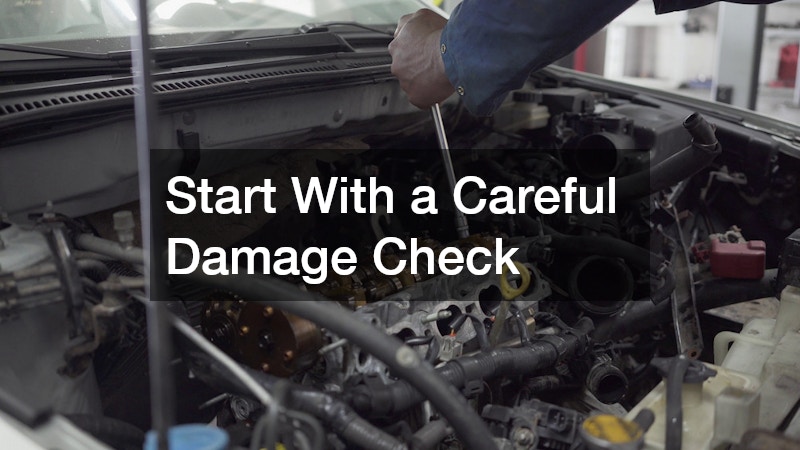
Before you schedule service, take time to inspect the vehicle as thoroughly as possible. Walk around the car and look at the body panels, bumpers, mirrors, lights, tires, wheels, and glass. Check whether anything is hanging loose, rubbing against a tire, leaking, or making contact with the road. If the damage happened after an accident or impact, look underneath the vehicle from a safe position to see whether any fluids are dripping.
Photos are especially helpful. Take pictures from several angles, including close-up images and wider shots that show where the damage is located on the vehicle. These photos may help repair shops prepare estimates and can also be useful if you need to document the incident for a claim. If another driver was involved, keep copies of any exchanged information, police reports, and written notes about the date, time, and location.
Not all damage has the same level of urgency. Small scratches, minor paint transfer, or shallow dings may not affect drivability right away. However, deeper dents can crack paint, expose metal, and increase the risk of rust if left untreated. Professional dent repairs may be needed when the metal is creased, the paint is damaged, or the panel no longer lines up correctly.
You should also watch for signs that the issue goes beyond appearance. If the vehicle pulls to one side, vibrates, leaks fluid, smells unusual, or makes new noises, schedule auto repairs as soon as possible. Cosmetic problems can often wait briefly, but safety and performance concerns should be addressed before they create larger issues.
Know When Expert Inspection Is Needed
Some damage is easy to see, but hidden damage can be much harder to identify. After a collision, curb strike, pothole impact, or sudden stop, internal components may be affected even if the outside of the vehicle does not look badly damaged. Suspension parts, steering components, wheel alignment, sensors, and underbody parts can all be impacted without obvious exterior signs.
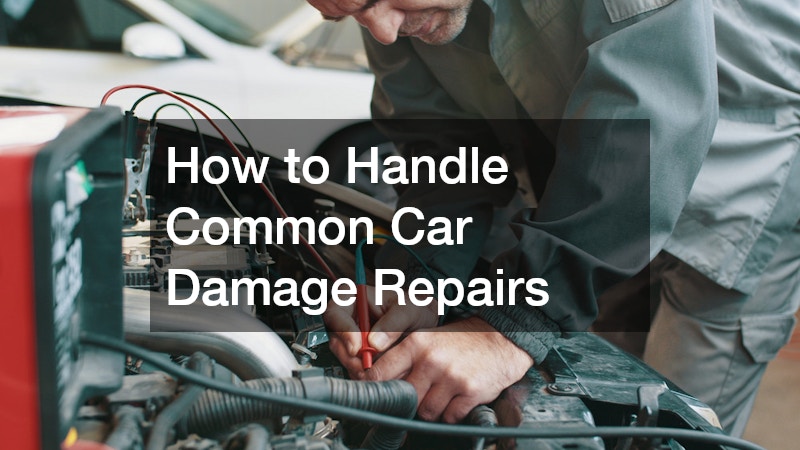
This is where experienced auto mechanics become important. A trained technician can inspect the vehicle beyond the surface and determine whether it is safe to drive. They may check for bent components, loose parts, damaged hoses, fluid leaks, electrical issues, or warning codes stored in the vehicle’s computer. This type of inspection is especially important if your car feels different after the damage occurred.
Pay close attention to braking performance. If the brake pedal feels soft, the vehicle pulls when stopping, you hear grinding, or the steering wheel shakes while slowing down, do not ignore it. Brake repair should be prioritized because stopping power is one of the most important safety systems in the vehicle. Even if the car still moves normally, reduced braking performance can put you and others at risk.
It is also wise to avoid driving when the damage affects visibility, steering, tires, or stopping ability. If you are unsure whether the vehicle is safe, call a repair shop or towing service rather than guessing. A short drive with a serious hidden issue can turn a manageable repair into a much more expensive problem.
Take Glass Damage Seriously
Glass damage often starts small, but it can spread quickly. A tiny chip may seem harmless at first, especially if it is not directly in the driver’s line of sight. However, road vibration, temperature changes, moisture, and additional impacts can cause a chip to become a long crack. Once the crack spreads, repair may no longer be possible.
The location and size of the damage matter. Small chips may sometimes be repaired if they are caught early and are not blocking the driver’s view. Damage near the edge of the glass may be more serious because it can weaken the structure. Long cracks, multiple impact points, shattered areas, or damage that interferes with visibility often require windshield replacement.
Modern vehicles can make glass decisions more complex. Many cars now have cameras, sensors, rain detection systems, lane assistance features, and other technology mounted near or behind the front glass. When replacement is needed, those systems may require calibration so they continue working correctly. This is why it is important to choose a shop that understands your vehicle’s technology and follows proper procedures.
Until the damage is fixed, try to protect the interior from rain, dirt, and debris. Avoid slamming doors, blasting hot air directly on a cold glass surface, or using high-pressure car washes near the damaged area. These small precautions can help prevent the damage from spreading while you arrange service.
Review Coverage Before Approving Work
Repair costs can vary widely depending on the type of damage, the parts required, and the labor involved. Before approving major work, review your car insurance policy so you understand what may be covered. Some policies may help with collision damage, weather-related damage, vandalism, theft-related damage, or glass claims, depending on your coverage.
Start by checking your deductible and the type of coverage that applies. Collision coverage typically applies when your vehicle is damaged in an accident with another vehicle or object. Comprehensive coverage may apply to events such as hail, falling branches, theft, vandalism, or certain glass damage. The details can vary, so it is important to read your policy or speak directly with your provider.
If the issue involves glass, ask whether windshield replacement is covered under your policy and whether a deductible applies. In some cases, glass coverage may be handled differently from other claims. You should also ask whether you are required to use a specific repair network or whether you can choose your own shop.
Keep all documentation organized. Save photos, estimates, invoices, claim numbers, emails, and notes from phone calls. If you are getting multiple estimates, make sure each one describes the same scope of work so you can compare them fairly. The lowest estimate is not always the best choice if it leaves out necessary labor, calibration, materials, or warranty coverage.
Protect the Exterior Finish and Structure
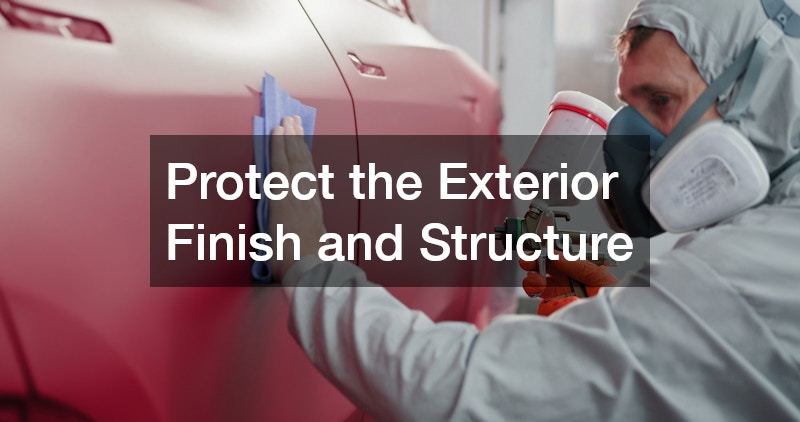
Body damage can range from minor scratches to major panel damage. While some exterior issues may look purely cosmetic, they can still affect the vehicle over time. Scratches that cut through the clear coat or paint can expose the metal underneath, which may lead to corrosion. Loose bumpers, bent panels, and misaligned doors can also create problems with water intrusion, wind noise, or structural fit.
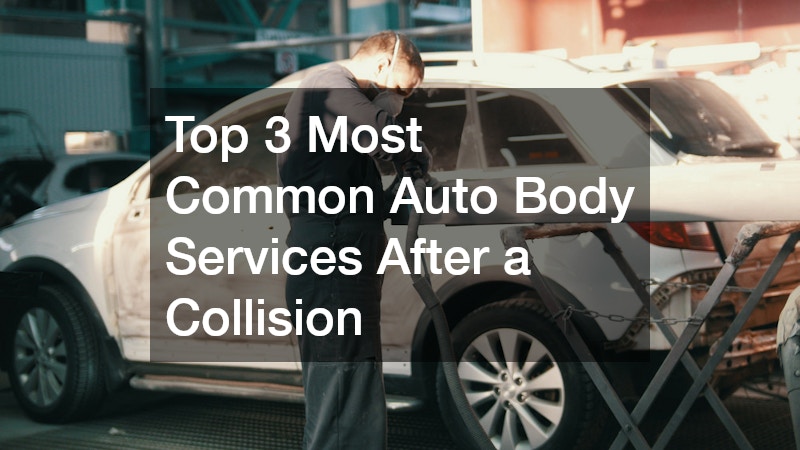
Professional auto body service can help restore both appearance and function. A qualified shop can assess whether a damaged panel should be repaired or replaced, whether paintless methods are possible, and whether the surrounding areas were affected by the impact. They can also match paint color, restore panel alignment, and inspect for hidden structural concerns.
When comparing body repair estimates, ask what repair method is being recommended and why. For example, a small shallow ding may be handled differently than a deep crease with paint damage. A bumper cover might be repairable in one case but require replacement in another. Understanding the reasoning behind the recommendation can help you feel more confident in the decision.
Paint matching is another important detail. Vehicles fade over time due to sunlight, weather, and age, so matching new paint to the existing finish takes skill. Ask whether the shop blends paint into nearby panels and what warranty they provide on paint and workmanship. A quality repair should not only look good when you pick up the vehicle but also hold up over time.
Watch for Problems Beneath the Vehicle
After an impact, many drivers focus on visible damage and forget about the systems underneath the vehicle. Hitting a curb, running over debris, bottoming out on a rough road, or being involved in a collision can affect components that are not easy to see. The drivetrain, exhaust, suspension, steering, and fluid lines may all be vulnerable depending on where the impact occurred.
Transmission problems deserve quick attention. Warning signs can include delayed shifting, slipping gears, leaking fluid, burning smells, grinding, or unusual hesitation when accelerating. If you notice these symptoms after an impact, schedule an inspection right away. Transmission repairs can become much more expensive when early warning signs are ignored.
In some cases, the issue may be minor, such as a damaged sensor, low fluid, or a leak from an external component. In other cases, internal damage may require more extensive work. A proper diagnosis is important because guessing can lead to unnecessary repairs or missed problems. Ask the shop to explain what tests were performed, what they found, and whether the repair is urgent.
Avoid towing heavy loads, driving long distances, or pushing the vehicle hard if you suspect drivetrain damage. Continuing to drive while fluid is leaking or shifting problems are present can increase the risk of major failure. When in doubt, have the vehicle towed rather than driving it to the shop.
Choose Replacement Components Carefully
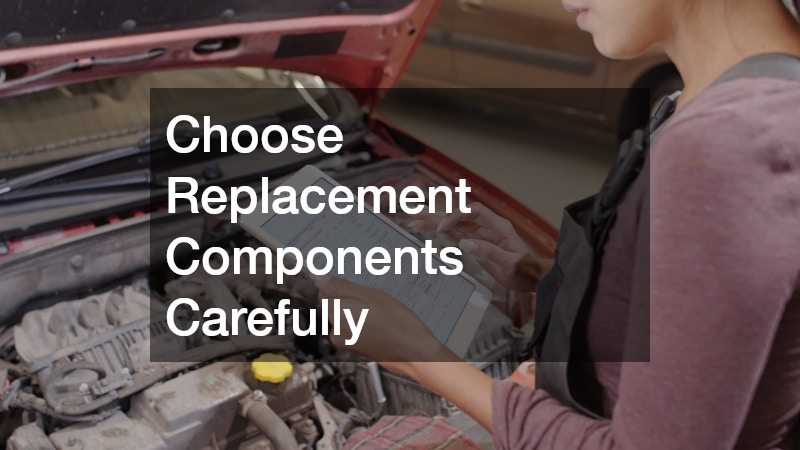
When a vehicle needs replacement components, drivers may be offered several options. These can include original equipment manufacturer parts, aftermarket parts, recycled parts, or remanufactured components. Each option has advantages and drawbacks depending on the repair, the age of the vehicle, the budget, and warranty requirements.
Original equipment parts are designed by or for the vehicle manufacturer and usually provide a precise fit. They may cost more, but they can be a good choice for newer vehicles, safety-related repairs, or situations where fit and finish are especially important. Aftermarket components may be more affordable and widely available, but quality can vary by brand. Recycled parts may be practical for some body or interior repairs, especially on older vehicles.
Ask the shop what auto parts they recommend and why. A good repair professional should be able to explain the difference between options and how each one affects cost, durability, safety, and warranty coverage. For example, choosing the cheapest component may not be wise if it fits poorly, wears out quickly, or affects related systems.
Ask whether parts and labor are covered under separate warranties. Some parts may carry a manufacturer’s warranty, while the shop may provide its own warranty on installation. Keep copies of all documentation in case a future issue arises. Choosing quality components can help reduce the chance of repeat repairs and protect the vehicle’s long-term reliability.
Compare Estimates With the Right Questions
Getting more than one estimate can be helpful, especially for larger repairs. However, estimates are only useful when you understand what is included. A low estimate may look appealing at first, but it could exclude important steps such as diagnostics, alignment, calibration, paint blending, or additional labor that may be discovered later.
Ask each shop to provide a written estimate with a breakdown of labor, materials, parts, fees, and expected timelines. If one estimate is much lower or higher than the others, ask why. The difference may come from the type of parts being used, the repair method, the warranty, or the amount of labor included. Comparing details helps you avoid choosing based on price alone.
Good auto mechanics should also be willing to explain which repairs are urgent and which ones can be planned for later. This is especially useful when a vehicle has multiple issues. Safety-related concerns should always come first, followed by problems that could cause additional damage if ignored. Cosmetic repairs may sometimes be scheduled after mechanical concerns are resolved.
Some auto repairs require diagnostic time before the final cost is known. This is normal for issues involving electrical systems, warning lights, leaks, shifting problems, or hidden impact damage. Ask how diagnostic fees are handled and whether they are applied toward the repair. Clear communication up front can prevent surprises later.
Smart Decisions Keep Your Vehicle Safer Longer

Handling vehicle damage well comes down to acting quickly, staying organized, and choosing qualified professionals. Not every issue is an emergency, but every problem deserves the right level of attention. A small chip, dent, leak, noise, or warning sign can become more serious when ignored, especially if it affects safety or performance.
The best approach is to document the damage, understand your repair options, review possible coverage, and ask clear questions before approving work. Prioritize anything that affects stopping, steering, visibility, tires, or drivability. Cosmetic concerns matter too, especially when they can lead to rust or reduce the vehicle’s value, but safety should always come first.
With careful inspection and the right repair team, you can restore your vehicle properly and avoid unnecessary stress. A thoughtful repair decision today can help preserve your car’s appearance, reliability, and resale value for years to come.