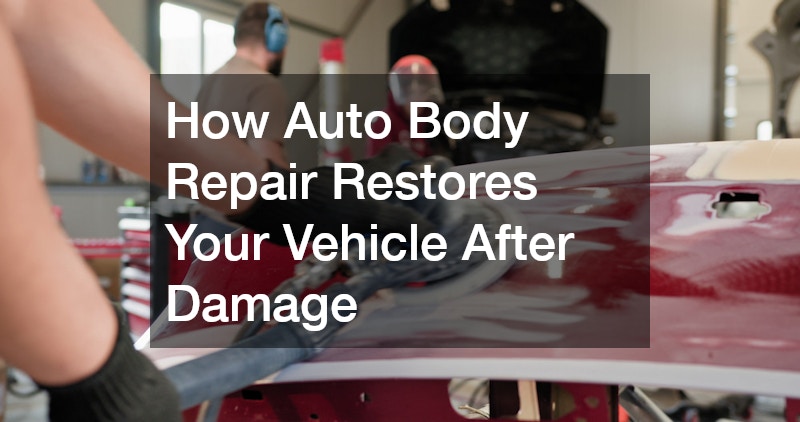
Dents and dings may seem minor, but they can lead to larger issues if not addressed quickly. These small damages often occur in parking lots when car doors, shopping carts, or other vehicles make contact. Auto body repair professionals use specialized tools to carefully push and reshape the metal back into its original form. This process preserves the vehicle’s original paint and restores its appearance.
Addressing dents early can also prevent the damage from spreading or worsening over time.
More serious damage may affect the vehicle’s frame or structural components. These issues can impact both performance and safety, making proper repairs essential. Auto body technicians use specialized equipment to measure and realign the frame to manufacturer specifications. Bumper and fender damage is also common after low-speed collisions. Proper restoration ensures that the vehicle maintains both its structural integrity and passenger safety.
How Paintless Dent Repair Works
Paintless dent repair (PDR) is a popular method for fixing small dents without disturbing the original paint. This technique works well for hail damage, door dings, and other minor dents where the paint surface remains intact. Technicians use metal rods and body tools to gently push the dent outward from behind the panel.
The goal of PDR is to reshape the metal while preserving the factory paint finish. This method is often preferred because it maintains the vehicle’s original appearance and avoids the need for repainting. The effectiveness of PDR depends on the size, depth, and location of the dent.
The tools used for paintless dent repair are highly specialized. Technicians rely on carefully designed rods, lighting systems, and glue-pulling devices to manipulate the metal precisely. Because the process requires a steady hand and strong attention to detail, proper training and experience are essential.
There are several advantages to paintless dent repair:
-
Lower repair costs compared to traditional methods
-
Faster repair times, often completed in a few hours
-
Preservation of the original factory paint
-
No need for sanding or repainting
Materials Used in Auto Body Repair
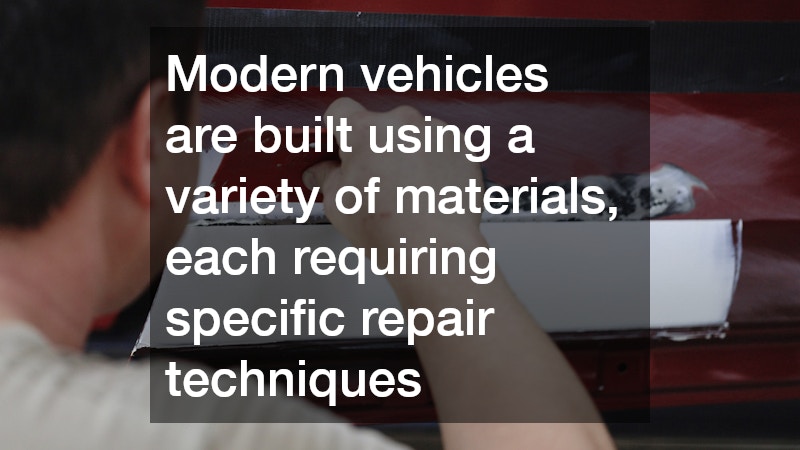
Modern vehicles are built using a variety of materials, each requiring specific repair techniques. Steel and aluminum remain common materials used in vehicle construction because they provide strength and durability. Many modern vehicles also use high-strength steel to improve safety while keeping weight manageable.
Repairing these materials requires specialized tools and techniques. Technicians may use welding, cutting, and reshaping tools designed specifically for automotive metal repairs. Understanding the properties of these materials is essential to ensure the repair maintains the vehicle’s safety standards.
Fiberglass is another material sometimes used in vehicle components, particularly for lightweight panels or specialty parts. Fiberglass offers flexibility in shaping but requires careful handling during repairs to maintain a smooth finish.
Plastics also play a large role in modern vehicle design. Many bumpers, fenders, and trim pieces are made from durable plastic materials. Auto body professionals often repair these components using plastic welding or patching techniques. These methods restore damaged sections without requiring full replacement in many cases.
In recent years, the industry has also begun exploring environmentally responsible materials and repair practices. Some repair facilities use recycled materials and eco-friendly products when possible to reduce environmental impact.
How Professionals Match and Repaint Vehicle Paint
Color matching is one of the most precise aspects of auto body repair. A successful repair requires the new paint to blend perfectly with the original finish so that the repaired area is not noticeable.
Technicians often use digital tools such as color spectrophotometers to analyze the vehicle’s paint. These devices measure the color and identify the closest matching formula. Factors such as paint aging, fading, and lighting conditions are also considered during the process.
Modern paint-mixing systems and computerized databases help technicians create highly accurate color matches. These technologies improve consistency and reduce paint waste, making the repair process more efficient.
Once the color match is determined, the repainting process begins. The damaged area must first be prepared by sanding and applying primer. This step ensures a smooth surface and proper paint adhesion. After preparation, technicians apply the base coat followed by a protective clear coat.
Each layer must dry properly before the next step begins. This careful process helps ensure the repaired area looks smooth and durable. Many repair facilities now use waterborne paints, which produce fewer harmful emissions and support environmentally responsible repair practices.
Choosing a Reputable Auto Body Shop
Vehicle owners should research repair facilities, read reviews, and ask questions about the repair process. A detailed estimate and invoice demonstrate transparency and professionalism. Choosing a reputable auto body shop is essential for achieving high-quality results.
Auto body repair plays an important role in restoring vehicles after damage. Proper repairs ensure that a vehicle remains safe, functional, and visually appealing while protecting its long-term value.