Whether you’re dealing with a flat tire, an unexpected breakdown, or damage from an accident, understanding how local automotive services work can make these stressful events far less overwhelming. Most drivers don’t think about towing, tire services, repair shops, or recycling facilities until the moment they urgently need them. But knowing what these services do—and how to choose the right professionals—can save you time, money, and frustration. Local tire shops, for example, often offer personalized service and faster turnaround than large corporate chains, while trusted towing professionals ensure your vehicle is transported safely and without additional damage. Skilled mechanics and autobody repair experts play an essential role in restoring your car to its proper condition, and when a vehicle reaches the end of its life, recycling facilities make sure it’s handled responsibly.
By understanding each part of the process, you’ll be better prepared for unexpected situations, more confident when choosing service providers, and more aware of how proper vehicle handling supports safety, sustainability, and peace of mind.
The Role of Roadside Assistance in Emergencies

When your vehicle breaks down unexpectedly, one of the first services you may need is towing. While many people associate this with accidents, there are several reasons a car might require a tow—overheating, a dead battery, engine failure, flat tires, or even running out of fuel. In most cases, roadside assistance will evaluate whether the vehicle can be repaired on the spot or needs transport to a repair facility. Understanding how this process works helps reduce stress and prepares drivers for a safe and efficient recovery. Professional tow operators follow strict safety protocols, securing the vehicle, assessing surrounding hazards, and ensuring the car arrives in the same condition it left. This initial step is critical because it sets the tone for the rest of the repair and restoration journey.
Where Your Vehicle Goes After It Reaches the End of Its Life
There comes a point in a car’s journey when repairs are no longer cost-effective, and it may be sent to a scrap metal recycling process. This happens when the damage is too extensive for proper restoration or when the cost of parts far outweighs the value of the vehicle. Cars that reach this point are evaluated by professionals who determine whether any components can be salvaged before the rest is responsibly broken down. It’s often the final step in a vehicle’s lifecycle, where every usable piece is separated and repurposed. This ensures fewer materials go to waste and that the remainder of the vehicle is handled in an environmentally responsible way. Many owners don’t realize this isn’t simply disposal—it’s a structured process focused on sustainability.
Understanding What Happens to Your Vehicle During Recycling
The recycling process is far more sophisticated than most drivers realize, especially when handling a car made largely of metal. When a vehicle arrives at a recycling yard, experts begin dismantling it piece by piece. Valuable components like copper wiring, aluminum parts, steel frames, and catalytic converters are carefully separated. Fluids are drained and processed according to environmental regulations. After all reusable parts are removed, the remaining frame is crushed, shredded, and melted into raw materials that can be transformed into new products. This level of efficiency reduces the demand for mining new ore, which has a much heavier environmental footprint. The recycling stage is not just an afterthought—it plays a major role in creating a sustainable automotive industry.
Why Choosing Nearby Shops Makes a Difference
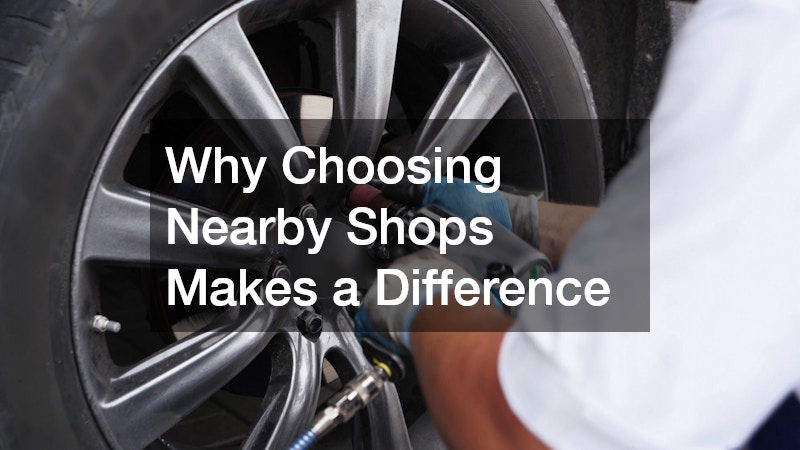
Finding the best local tire shop can significantly improve both the cost and quality of service you receive. Unlike corporate chains that often follow strict upselling procedures, neighborhood shops typically operate on reputation and community trust. These smaller businesses often offer quicker turnaround times, more personalized service, and a better understanding of local driving conditions—whether it’s potholes, weather patterns, or seasonal tire needs. Furthermore, employees at locally owned shops often have years of hands-on experience and prioritize long-term customer relationships. When you choose local, you’re supporting small businesses, strengthening your community’s economy, and often getting a more honest assessment of what your vehicle truly needs.
Choosing the right tires is one of the most important decisions you can make for your car’s overall safety, performance, and durability. Tires are the only point of contact between your vehicle and the road, meaning they play a direct role in how well your car brakes, handles curves, accelerates, and maintains traction in different weather conditions. There are several types of tires available, each designed for a specific purpose. All-season tires provide balanced performance in a variety of climates, making them a popular choice for everyday driving. Winter tires offer improved grip on snow and ice, giving drivers added safety in harsh winter conditions. Summer performance tires are engineered for warm weather and provide excellent control, responsiveness, and stability at higher speeds. Drivers who go off-road or travel on rough terrain may benefit from all-terrain or mud-terrain tires, which are built for durability and traction on uneven surfaces. Choosing the right tire not only enhances safety and comfort but also helps extend the life of your vehicle’s suspension and improves fuel efficiency. The better matched your tires are to your driving environment, the smoother and safer your overall driving experience will be.
What to Look for When Selecting Emergency Transport Services
In situations where your vehicle needs more than just a standard tow, the reliability of towing companies becomes essential. Selecting the right provider means choosing professionals who are licensed, trained, and prepared for different roadside scenarios. Look for companies with strong customer reviews, fast response times, and well-maintained equipment. The best providers also offer clarity on pricing upfront, which helps avoid surprises later. In emergencies—especially accidents—a dependable company becomes a lifeline. They not only remove the vehicle from harm’s way but also help you navigate the next steps, such as directing the car to the correct repair shop or providing documentation your insurance may require.
How Vehicles Are Processed in Large-Scale Facilities
When a vehicle is too damaged to repair, it is transported to a scrap metal recycling facility, where professionals handle every step of the dismantling process. These facilities are specifically designed to break down vehicles safely and efficiently. They use industrial equipment to separate various materials and ensure hazardous components are disposed of in accordance with environmental laws. Many facilities also invest in advanced technology—like magnetic separators, shredders, and filtration systems—that help maximize recovery of reusable parts. This large-scale, regulated approach ensures that even severely damaged vehicles are put to positive use and that nothing harmful ends up in landfills.
Recycling metal from end-of-life vehicles plays a critical role in protecting the environment and shaping a more sustainable future. By reusing existing materials instead of mining new resources, the recycling process significantly reduces energy consumption, air pollution, and the destruction of natural landscapes. Producing new metal from recycled material requires far less energy than creating it from raw ore, which means fewer carbon emissions and a smaller overall environmental footprint. Additionally, recycling prevents tons of usable material from ending up in landfills, where it would otherwise take decades—or even centuries—to break down. As industries continue to prioritize sustainability, metal recycling is becoming a cornerstone of modern manufacturing, helping create a circular economy where materials are continually repurposed rather than wasted.
Transporting Oversized or Heavily Damaged Vehicles
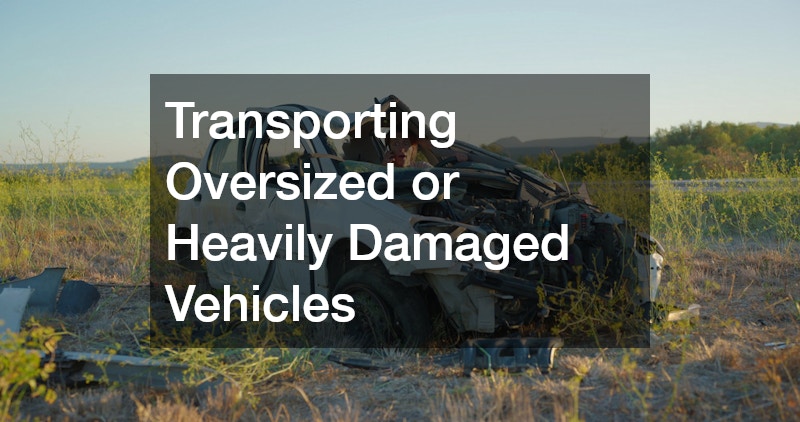
In some cases, a standard tow truck will not be sufficient—this is where heavy haul transportation becomes necessary. These services are designed for vehicles like large trucks, commercial vans, or severely damaged cars that can’t safely be pulled using traditional equipment. Heavy haul operators use reinforced flatbeds, advanced lifting mechanisms, and specialized tie-down systems to secure oversized loads. This ensures that even the heaviest vehicles can be transported without causing further damage. You might need this service after major collisions, structural damage, or when dealing with larger commercial equipment. Understanding the difference between standard towing and heavy haul solutions can help you choose the correct service during emergencies.
When Specialized Lifting Equipment Is Required
Some vehicles cannot be moved safely without the assistance of hydraulic service. This often applies to cars that have collapsed suspensions, locked wheels, structural damage, or severe undercarriage issues. Hydraulic equipment—such as lifts, booms, and jacks—allows professionals to gently raise or reposition the vehicle without causing additional harm. These tools provide immense lifting power and are essential in situations where traditional towing methods could worsen the damage. Whether your car is stuck in a ditch, has suffered frame damage, or cannot be rolled, hydraulic methods ensure safe handling and transportation.
Understanding What Happens Behind the Scenes in Repair Shops
Once your vehicle arrives at the repair facility, a mechanic will begin diagnosing the issues to determine what repairs are necessary. Mechanics often start with computer diagnostics to pinpoint electrical problems, engine concerns, or internal malfunctions. Then they perform hands-on inspections to assess physical components like belts, hoses, suspension parts, and brakes. Their goal is to restore the vehicle to safe working condition using a combination of repair, replacement, and preventative maintenance. Mechanics also help customers understand why issues occurred in the first place so they can avoid future breakdowns. Their expertise is essential not only for repairs but also for keeping your car running efficiently long-term.
Knowing whether you can trust a mechanic often comes down to a mix of transparency, communication, and reputation. A trustworthy mechanic will clearly explain what’s wrong with your vehicle, show you the damaged parts when possible, and provide a written estimate before beginning any work. They won’t pressure you into unnecessary repairs or make the problem sound more complicated than it is. Look for shops that have strong reviews, certifications, and a history of consistent service in your community. Reliable mechanics also stand behind their work by offering warranties on parts and labor. When a technician is honest, communicative, and willing to answer your questions, it’s a strong sign that you’re in good hands.
The Most Common Repairs and What to Expect

Modern vehicles require ongoing upkeep, and one of the most frequent needs drivers encounter is auto repair. Common services include brake replacements, oil changes, battery replacements, tire alignments, and fixes for engine misfires, cooling system issues, and electrical malfunctions. When you bring your car into a shop, technicians typically begin with a thorough diagnostic check, using advanced computers to pinpoint error codes and identify failing components. From there, the technician may follow up with a physical inspection—checking belts, hoses, fluid levels, filters, and worn mechanical parts. Once the issue is identified, the technician will explain the problem, outline repair options, and provide a clear estimate before any work begins. After repairs are completed, shops often perform quality checks or road tests to ensure everything is functioning properly. This transparent process helps you understand what’s happening under the hood, prevents unnecessary repairs, and ensures your vehicle is returned to you safe, reliable, and ready for the road.