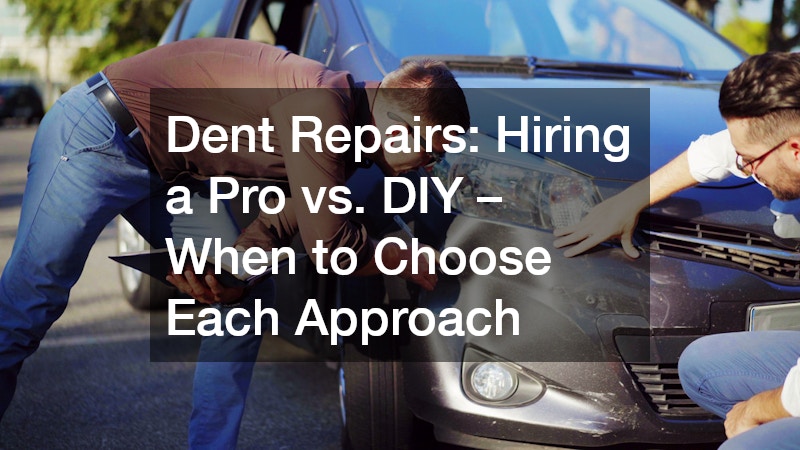
Understanding the benefits of professional vs. DIY dent repairs can save time and money. This article offers insights into factors influencing the choice between these methods, helping car owners decide based on cost, quality, and time.
Dive into the specifics of each method to align your choice with your needs. Whether you prioritize immediate convenience or long-term results can massively influence your decision.
Factors to Consider Before Repairing a Dent
Severity of the Dent
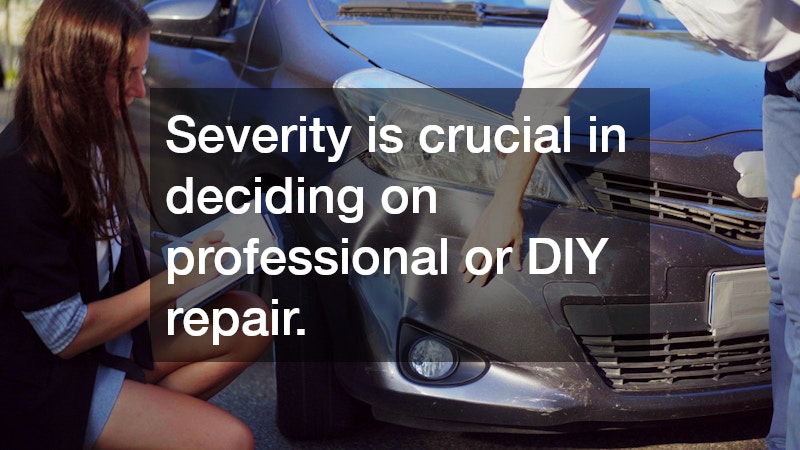
Severity is crucial in deciding on professional or DIY repair. Minor dents might be fixed at home, but severe dents affecting structural integrity need a professional’s precise touch. Professionals ensure safety features remain intact.
Cost Implications
Cost often dictates the choice. Professional services have higher upfront costs but guarantee expertise, while DIY is cheaper initially but risks costly mistakes. Balancing these costs is vital for prudent decision-making.
Time Commitment
Time is critical. Professionals offer faster turnarounds, whereas DIY requires substantial time for research and execution. Consider time for potential re-repairing of DIY mistakes.
Quality of Results
Quality impacts satisfaction. Professionals offer factory-standard finishes, addressing hidden damages overlooked in DIY. DIY results depend on personal skill and tools available, with varied outcomes.
Tool Availability
Tool access influences the choice. Professionals use specialized tools, optimizing repairs. DIY kits are affordable but limited, affecting repair quality. Evaluate available tools to determine DIY feasibility.
When is Professional Help Recommended?
Complex or Large Dents
Complex dents need professional skills and tools to restore original alignment and aesthetics, minimizing further damage risks.
Presence of Paint Damage
Paint damage with dents benefits from professionals who seamlessly blend paint, avoiding mismatches and potential rust. This ensures a smooth and durable finish to enhance the vehicle’s appearance.
Insurance Effects
Insurance often covers professional repairs, making them financially viable. DIY repairs lack coverage, leading to out-of-pocket expenses.
Long-Term Car Value
Professional repairs preserve resale value, important for trade-ins or sales, unlike DIY efforts which can negatively impact a vehicle’s appeal.
Need for a Warranty
Warranties on professional repairs assure quality, unlike DIY methods that leave the responsibility with the owner.
DIY Dent Repair Methods
Plunger Method
This involves using a plunger to pull minor dents back. Effectiveness depends on size and depth, suitable for small issues.
Hairdryer and Compressed Air
Heat the dent with a hairdryer, then quickly apply compressed air to contract the metal. This method works best on small, simple dents.
Dent Repair Kits
Kits offer structured solutions with tools and instructions for challenging repairs, ensuring versatility and precision.
Hot Water & Pulling
Pour hot water over the dent to soften it, then pull out. Proper temperature control is crucial to avoid paint damage.
Glue Pull Method
Uses adhesive tabs for pulling. This method excels in control and precision for mid-sized dents, with careful application to prevent paint damage.
Cost Comparisons: DIY vs. Professional Repairs
Professional Costs
Professional repairs mean higher costs due to expertise and equipment, balanced by guaranteed results and long-term value retention.
Hidden DIY Costs
DIY seems cheaper but can incur costs with tool purchases and potential errors. Overall costs include time and material use.
Long-Term Implications
Professional repairs protect vehicle value, while DIY can diminish it, affecting resale and insurance claims.
Cost Efficiency
Evaluating immediate expenses against long-term benefits, balancing professional quality assurance with potential DIY flaws.
DIY Repairs Risks
Worsened Damage
DIY attempts can worsen damage without expertise, leading to higher future costs. Adequate skill assessment and following instructions reduce this risk.
Incorrect Tool Use
Misuse of tools due to lack of professional knowledge can damage the vehicle. Understanding proper tool use is crucial.
Time and Frustration
DIY often underestimates time, causing frustration. Precise expectations help manage stress and promote completion.
Lack of Professional Finishing
DIY may lack commercial finishes. Professionals ensure seamless repairs, maintaining the vehicle’s appeal.
Safety Concerns
Improper tool and material handling pose safety risks, mitigated by safety procedures and protective measures.
Choosing between professional and DIY repairs depends on cost, quality, and time considerations. Assess your needs and capabilities to effectively manage potential risks and rewards, confidently addressing vehicle dents aligned with your goals. Ultimately, the right decision will ensure the longevity and appearance of your vehicle while fitting within your budget.