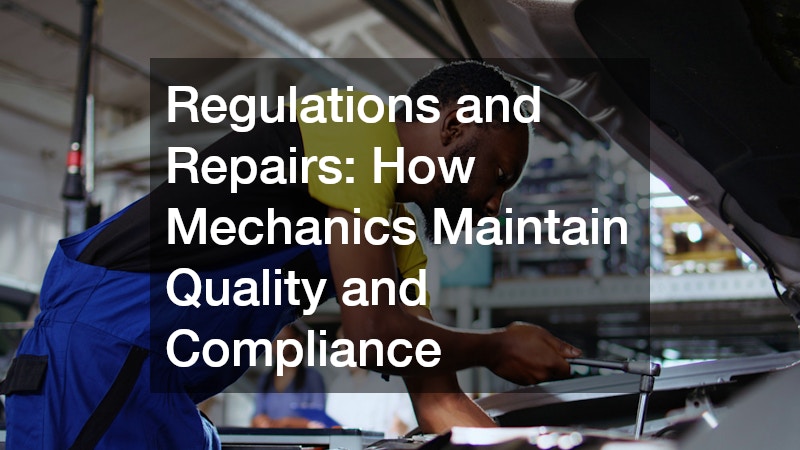
Choosing the right auto shop for your vehicle is one of the most important decisions a car owner can make. Your vehicle represents a significant investment, and the quality of service it receives directly affects its safety, reliability, and long-term value. Whether you need routine auto repair, unexpected car repairs, or more specialized services, selecting an auto shop that aligns with your needs can save time, money, and stress over the life of your vehicle. With so many options available, knowing what separates a dependable shop from an unreliable one is essential.
A trustworthy auto shop offers more than mechanical fixes. It provides clear communication, skilled technicians, and consistent service standards that help drivers feel confident every time they hand over their keys. From diagnosing electrical issues that require auto electrical repair to cosmetic work handled by an auto body shop, the right facility should be equipped to manage a wide range of automotive needs. Some drivers may also seek additional services such as auto glass tinting, auto tint upgrades, or assistance through a tow service during emergencies. This guide walks through the most important factors to consider so you can make informed decisions, ask the right questions, and build a long-term relationship with an auto shop that prioritizes quality, transparency, and care.
What Should You Look For In An Auto Shop?

Certifications And Accreditations
Certifications and accreditations are strong indicators of professionalism and technical competence within an auto shop. Industry-recognized credentials, such as ASE certifications, demonstrate that technicians have met specific standards for knowledge and hands-on experience. These qualifications show that the auto shop invests in ongoing training, ensuring staff remain current with evolving vehicle technology and repair techniques. This is especially important as modern vehicles increasingly rely on complex electrical systems and advanced components.
A certified auto shop is more likely to deliver consistent results across a variety of services, from basic auto repair to specialized diagnostics involving systems like the starter motor or onboard electronics. Certifications also signal accountability, as technicians are expected to adhere to ethical guidelines and quality benchmarks. When evaluating an auto shop, asking about certifications helps you gauge whether the business prioritizes skill development and long-term service quality rather than quick fixes.
Services Offered
Understanding the full range of services offered by an auto shop helps determine whether it can support your vehicle over time. A well-rounded auto shop typically handles everything from preventive maintenance to complex car repairs, allowing you to rely on one location as your vehicle ages. Shops that provide multiple services reduce the need to visit different specialists for separate issues, saving time and simplifying maintenance schedules.
Service offerings may include mechanical repairs, diagnostics, alignment work, and cosmetic restoration through an auto body shop division. Some auto shops also provide enhancements such as auto glass tinting or auto tint options that improve comfort and appearance. For larger or specialty vehicles, availability of services related to truck wheels or heavy-duty components may be important. A comprehensive service list reflects the auto shop’s ability to adapt to diverse customer needs and vehicle types.
In some cases, technical expertise may extend beyond passenger vehicles to specialized or industrial systems. Certain facilities support complex mechanical applications such as hydraulic barge thrusters, reflecting advanced diagnostic skills and experience with high-performance components that require precision, durability, and detailed mechanical knowledge.
How Do You Know If An Auto Shop Is Trustworthy?
Customer Reviews And Testimonials
Customer reviews and testimonials provide valuable insight into the real-world experiences of people who have used an auto shop’s services. Online platforms allow customers to share feedback about service quality, pricing transparency, and overall satisfaction. Patterns in reviews often reveal how an auto shop handles communication, timelines, and problem resolution when unexpected issues arise.
Positive feedback related to honesty, accuracy, and professionalism suggests that an auto shop values customer relationships. Reviews mentioning successful auto electrical repair, dependable auto repair outcomes, or fair pricing for car repairs can help you assess consistency across services. While no business is perfect, a trustworthy auto shop typically responds thoughtfully to feedback and demonstrates a willingness to address concerns.
Word Of Mouth Recommendations
Personal recommendations remain one of the most reliable ways to evaluate an auto shop. Friends, family members, and coworkers often share firsthand experiences that go beyond what online reviews can capture. These conversations can reveal how an auto shop treats customers over time, especially during urgent situations that require a tow service or immediate attention.
Word of mouth recommendations also provide context about long-term reliability. If someone has trusted the same auto shop for years, it indicates stability and consistent service quality. Hearing about successful outcomes related to major car repairs or routine maintenance can help narrow your options and build confidence before scheduling an appointment.
What Are The Costs Associated With Auto Repairs?

Understanding Estimates And Pricing
Clear and accurate estimates are a cornerstone of a reputable auto shop. Before work begins, a professional shop should explain the scope of repairs, associated costs, and any variables that could affect pricing. This transparency allows vehicle owners to make informed decisions without fear of unexpected charges. An itemized estimate also shows that the auto shop has thoroughly assessed the issue rather than offering vague pricing.
Estimates are particularly important for complex services such as auto electrical repair, where diagnostic time and specialized labor may affect costs. Understanding how pricing is structured helps you compare options between shops while ensuring you are evaluating similar services. A dependable auto shop welcomes questions and takes the time to explain what each cost represents.
Hidden Fees To Watch For
Hidden fees can quickly turn an affordable repair into a costly experience. Some auto shops may add charges for shop supplies, diagnostics, or administrative tasks without clear explanation. Identifying these fees upfront helps prevent frustration and keeps your budget on track. Asking for a breakdown of all potential charges is a reasonable step when discussing repairs.
A transparent auto shop clearly communicates any additional costs before proceeding with work. This approach builds trust and reinforces accountability. Whether you are scheduling routine auto repair or addressing unexpected car repairs, understanding the full financial picture ensures there are no surprises when it’s time to pay the bill.
Should You Choose A Dealership Or Independent Auto Shop?
Pros And Cons Of Dealerships
Dealership service centers are often associated with brand-specific expertise and access to manufacturer-approved tools. For newer vehicles, dealerships may have specialized diagnostic equipment designed for that make and model. This can be useful for complex issues tied to software updates, recalls, or proprietary systems. Some drivers feel reassured knowing that dealership technicians focus exclusively on a specific brand.
However, dealership pricing is often higher than an independent auto shop, particularly for routine auto repair or standard car repairs. Scheduling can also be less flexible, and customers may feel disconnected from the technicians performing the work. While dealerships may excel in certain scenarios, they are not always the most cost-effective or personalized option for ongoing vehicle care.
Benefits Of Independent Auto Shops
An independent auto shop often provides a more personalized experience and greater flexibility. These shops typically service a wide range of vehicle makes and models, allowing technicians to build broad expertise across systems and components. Independent shops may also offer faster turnaround times and more direct communication between customers and technicians.
Many drivers appreciate that an independent auto shop can handle everything from mechanical diagnostics to cosmetic repairs through an auto body shop. Services like auto glass tinting, auto tint customization, and truck wheels installation are often easier to coordinate through a single location. Independent shops also tend to offer competitive pricing, making them an attractive option for long-term maintenance and unexpected repairs.
How Important Is Customer Service In An Auto Shop?

Communication And Transparency
Strong communication is a defining trait of a reliable auto shop. Clear explanations about diagnoses, repair options, and timelines help customers feel informed rather than pressured. Transparency ensures that vehicle owners understand why a service is necessary and what outcomes to expect before work begins.
Effective communication is especially important when addressing complex issues such as auto electrical repair or problems involving the starter motor. An auto shop that takes time to explain findings builds trust and reduces confusion. This openness allows customers to make confident decisions about their vehicles without feeling rushed or misled.
Follow-Up Services
Follow-up services reflect how much an auto shop values long-term customer satisfaction. Checking in after repairs, addressing concerns, or offering guidance on preventive care demonstrates accountability. These small efforts can make a significant difference in how customers perceive the overall experience.
An auto shop that offers follow-up support shows confidence in its work. Whether the service involved major car repairs or minor adjustments, follow-up communication reassures customers that the shop stands behind its recommendations. This ongoing relationship encourages repeat visits and helps drivers feel supported beyond a single transaction.
What Types Of Warranties Should You Look For?
Parts Warranties
Parts warranties protect customers from defects or premature failures in replacement components. A reputable auto shop clearly explains what parts are covered, how long the coverage lasts, and what steps to take if issues arise. This information is especially valuable when replacing critical components that affect performance and reliability.
Understanding parts warranties is important for services involving specialized systems or accessories. Whether the repair involves structural elements handled by an auto body shop or mechanical components tied to performance, warranty coverage adds an extra layer of assurance. A transparent warranty policy signals that the auto shop prioritizes quality over short-term savings.
Labor Warranties
Labor warranties cover the workmanship involved in a repair, ensuring that customers are not charged again if an issue results from improper installation or service. This type of warranty reflects the auto shop’s confidence in its technicians and processes. Labor coverage is particularly important for extensive repairs that require precision and expertise.
A strong labor warranty demonstrates accountability and professionalism. When an auto shop stands behind its labor, customers gain peace of mind knowing that their investment is protected. This commitment encourages trust and reinforces the value of choosing a shop that prioritizes long-term reliability.
How Can You Assess The Quality Of Parts Used By An Auto Shop?

OEM Vs Aftermarket Parts
Understanding the difference between OEM and aftermarket parts helps customers make informed decisions. OEM parts are produced to match original specifications, while aftermarket options vary in quality and price. A knowledgeable auto shop explains the pros and cons of each choice without pushing unnecessary upgrades.
Part selection can impact durability, performance, and cost. Whether addressing routine auto repair or more specialized needs, the right balance between quality and affordability matters. An auto shop that discusses options openly empowers customers to choose parts that align with their expectations and budget.
Supplier Partnerships
An auto shop’s relationships with suppliers can reveal a lot about its commitment to quality. Shops that work with reputable suppliers are more likely to use reliable parts that meet performance standards. These partnerships often result in better availability and consistent quality across services.
Supplier transparency also reflects professionalism. When an auto shop is willing to discuss where parts come from and why certain options are recommended, it reinforces trust. This openness ensures customers feel confident in the materials used during repairs.
What Questions Should You Ask An Auto Shop Before Committing?
Experience With Your Vehicle Make And Model
Asking about experience with your specific vehicle helps determine whether an auto shop is well-equipped to handle your needs. Different makes and models have unique characteristics that require familiarity and specialized knowledge. An experienced shop can diagnose issues more accurately and recommend appropriate solutions.
This is especially important for vehicles with advanced systems or specialized components. An auto shop that regularly services similar vehicles is more likely to provide efficient, effective repairs. Experience reduces trial and error, saving time and minimizing unnecessary costs.
Expected Timeframes For Repairs
Understanding repair timelines helps set realistic expectations and allows for better planning. A professional auto shop provides clear estimates for completion and communicates promptly if delays occur. This transparency prevents frustration and helps customers arrange transportation if needed.
Timeframes are particularly relevant when repairs affect daily routines or require coordination with a tow service. An auto shop that respects customer schedules demonstrates consideration and reliability. Clear timelines also reflect strong organizational practices and efficient workflow management.
Choosing the right auto shop involves more than convenience or pricing alone. It requires thoughtful evaluation of certifications, services, communication practices, and long-term reliability. A dependable auto shop combines technical expertise with transparency, ensuring customers feel informed and respected throughout the repair process. From routine maintenance to unexpected challenges, the right shop becomes a trusted partner in vehicle ownership.
By researching options, reading reviews, and asking meaningful questions, drivers can avoid unnecessary stress and costly mistakes. Whether seeking mechanical expertise, cosmetic restoration, or additional services, a well-chosen auto shop supports both safety and performance. Building a relationship with a reliable provider ensures consistent care, clear communication, and confidence every time your vehicle needs attention.